
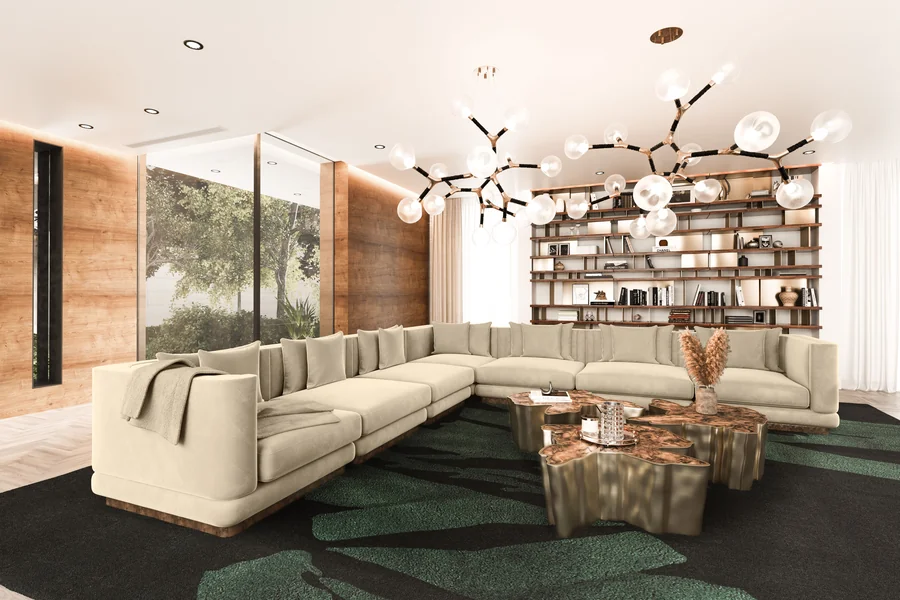
Introduction to Modern Urban Living
As our cities undergo rapid transformation, urban living is experiencing a significant evolution. Numerous reasons, such as shifting demographics, evolving lifestyle preferences, and technological breakthroughs, drive this change. Urban home design, particularly in vibrant neighborhoods with offerings like Tribeca Homes for Sale, is now at the forefront of incorporating these influences, creating spaces catering to functional and aesthetic needs. Tracing the footsteps of urban development, contemporary home design mirrors society’s progression toward efficiency, style, and convenience.
Modern metropolises combine connectivity, diversity, and innovation, resulting in dynamic home design prioritizing innovative technologies, sustainability, and adaptability. This creates living spaces that cater to urban needs, providing both refuge and functionality amidst the city’s hustle and bustle.
Smart Homes: The Technological Revolution
Smart homes pave the way for a future where technology seamlessly integrates with living spaces. These homes utilize the Internet of Things (IoT) to connect appliances and systems, providing users with unparalleled control over their environments. Features such as automated lighting, temperature control, and security systems enhance convenience and energy efficiency, transforming ordinary residences into intelligent habitats. While data privacy and security remain challenges, ongoing advancements continually work towards alleviating these concerns, making smart homes increasingly appealing.
Smart homes, with their advanced technologies, have the potential to revolutionize our interactions with our living spaces. They could allow us to wake up in a house that adjusts the temperature, prepares coffee, and summarizes our schedule.
Eco-Friendly Design: A Green Approach
Climate change awareness has led to eco-friendly urban home designs focusing on sustainable materials, energy-efficient systems, and environmental practices. These green homes, featuring solar panels, green roofs, and rainwater harvesting, are gaining popularity, demonstrating a commitment to sustainability and ecological balance.
Architects and designers are championing innovations that merge aesthetics with function. By embracing green design principles, urban environments become healthier and more sustainable. The continuous development of sustainable architectural innovations showcases the possibility of creating urban harmony between modern living and environmental responsibility.
Flexible Living Spaces: Adapting to Lifestyle Changes
As urban living spaces become more compact, flexibility in design has emerged as a crucial component in home planning. Adapting to lifestyle changes required by evolving family dynamics, work-from-home trends, or personal preferences necessitates versatile living areas. Multipurpose rooms, folding furniture, and modular systems allow for seamless transitions, maximizing utility in limited spaces.
These adaptable environments provide practical solutions for current needs and accommodate future requirements without requiring significant renovations. This forward-thinking approach to design reflects a broader trend toward resilience and sustainability in housing.
Outdoor Integration: Bringing Nature Indoors
Incorporating elements of nature into urban homes through biophilic design is becoming a popular strategy to enhance well-being and reduce stress. Plants, abundant natural light, and nature-inspired décor create a calming atmosphere, promoting mental and physical health. These elements connect residents with the natural world, providing a tranquil escape from the urban commotion.
Capturing the essence of the outdoors within architectural projects instills beauty and supports sustainable living by improving air quality and reducing reliance on artificial lighting.
Minimalism: The Art of Simplified Living
Minimalism embodies the “less is more” principle, offering a design aesthetic emphasizing clarity, functionality, and coherence. In urban residences with premium space, minimalist designs intelligently utilize available areas to create open, airy environments. Homes can achieve practicality and elegance by focusing on purposeful design and eliminating clutter.
This strategy promotes mindful living by encouraging inhabitants to prioritize quality over quantity and cultivate a sense of calm and order in their living areas.
Data and Research: Understanding Buyer Preferences
In the fast-paced world of real estate, understanding buyer preferences is imperative for delivering designs that meet contemporary needs. Recent studies reveal a shift in demand towards features like energy efficiency, technological integration, and eco-awareness. These trends guide architects and designers in creating homes that resonate with today’s consumers.
The industry can anticipate and respond to emerging trends by harnessing data-driven insights, ensuring new developments align with buyer expectations. This approach informs strategic decision-making and bolsters the relationship between developers and clients by meeting evolving lifestyle demands.
Conclusion: The Next Steps in Urban Home Design
The future of home design in an era of rapid urbanization depends on balancing innovation with adaptability. Modern city dwellers require innovative, sustainable, and personal sanctuaries. This evolution will create functional, stylish, and deeply integrated spaces with the environment and technology. The next chapter for urban homes will build on these principles, creating environments that embrace change, promote well-being, and inspire future generations to innovate in living spaces.