
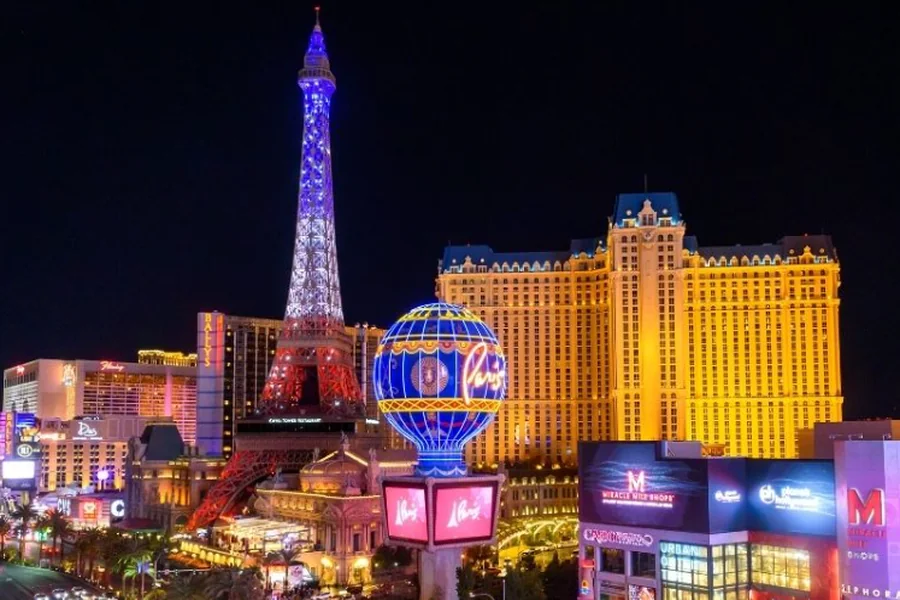
Las Vegas, often dubbed the “Entertainment Capital of the World,” has a storied history that mirrors the broader American narrative of ambition, excess, and reinvention. From its humble beginnings as a railroad stop to its meteoric rise as a gambling mecca, and eventual transformation into a diversified entertainment hub, Las Vegas offers a compelling case study on the rise and fall of classic casinos.
The birth of Las Vegas: How gambling built a desert oasis
Early days: From a railroad stop to a gambling hub
In the early 20th century, Las Vegas was a modest settlement, primarily serving as a stopover for travelers and a base for workers constructing the Hoover Dam. The city’s transformation began in earnest in 1931 when Nevada legalized gambling, seeking to stimulate the economy during the Great Depression. This legislative change laid the groundwork for Las Vegas to become a haven for gamblers and entrepreneurs alike, eventually inspiring concepts and terminology still used in gaming circles today Slot Gacor, which reflects player trends and preferences.
The role of organized crime and iconic figures like Bugsy Siegel
The post-World War II era saw the influx of organized crime figures who recognized the lucrative potential of Las Vegas. Notably, Benjamin “Bugsy” Siegel played a pivotal role in shaping the city’s future. In 1946, Siegel opened the Flamingo Hotel, introducing a new level of luxury and sophistication to the Strip. His vision set the standard for future developments, blending high-end accommodations with gambling and entertainment.
Legalization and the first casino resorts
The legalization of gambling attracted a wave of investors and developers. Early establishments like the El Rancho Vegas and the Last Frontier laid the foundation for the casino resort model. These venues combined lodging, dining, and gaming, creating an all-encompassing experience that would define Las Vegas for decades.
The golden age of Las Vegas: Glamour, excess, and cultural influence
The Rat Pack, Elvis, and the rise of entertainment-driven casinos
The 1950s and 1960s marked the zenith of Las Vegas’ glamour. The city became synonymous with star-studded performances, with legends like Frank Sinatra, Dean Martin, and Elvis Presley gracing the stages of iconic venues. Casinos like the Sands and the Sahara were not just gambling halls but cultural landmarks where entertainment and opulence converged.
Las Vegas as a symbol of the American Dream
During this period, Las Vegas epitomized the American Dream—a place where fortunes could be made overnight, and the allure of success was palpable. The city’s rapid growth and hedonistic appeal attracted millions, reinforcing its status as a premier destination for those seeking excitement and indulgence.
Corporate takeover: How big business changed the game
The decline of mob influence and the rise of mega-corporations
By the late 1960s, the federal government intensified its crackdown on organized crime, leading to a decline in mob influence over Las Vegas casinos. This vacuum paved the way for corporate entities to enter the scene. The passage of the Corporate Gaming Act in 1969 allowed publicly traded companies to own casinos, ushering in a new era of corporate dominance.
Family-friendly rebranding and the shift to luxury tourism
In an effort to broaden their appeal, corporations initiated a rebranding of Las Vegas in the 1990s. The city sought to position itself as a family-friendly destination, introducing theme parks and attractions aimed at children. Simultaneously, there was a push towards luxury tourism, with the development of high-end resorts like the Bellagio and the Venetian, offering upscale amenities beyond gambling.
The impact of Wall Street on casino operations
The infusion of Wall Street capital transformed casino operations, emphasizing profitability and shareholder value. This shift led to the consolidation of properties under large conglomerates, standardizing experiences and prioritizing revenue streams beyond gaming, such as retail, dining, and entertainment.
Challenges and decline: What went wrong for classic casinos?
Competition from online gambling and other entertainment options
The advent of online gambling platforms introduced significant competition, allowing individuals to gamble from the comfort of their homes. Additionally, the proliferation of entertainment options, including streaming services and immersive gaming experiences, diverted attention away from traditional casinos.
Economic downturns and changing consumer habits
Economic recessions, notably the 2008 financial crisis, had profound impacts on Las Vegas. Tourism declined, and consumers became more cautious with discretionary spending. Moreover, younger generations exhibited different preferences, often favoring experiences over material indulgence, leading to a decline in traditional gambling activities.
Overexpansion and the loss of old Vegas charm
The rapid expansion of mega-resorts led to market saturation. In the pursuit of grandeur, many establishments lost the intimate charm that once defined Las Vegas. The homogenization of experiences and the focus on mass appeal diluted the unique character of classic casinos, making them less distinctive in a competitive market.
Lessons from Las Vegas: Adapting to a new era
How modern casinos are reinventing themselves (e-sports, nightclubs, experiences)
Recognizing the need to evolve, modern casinos are diversifying their offerings. Incorporating e-sports arenas, hosting world-class DJs in nightclubs, and curating immersive experiences are strategies employed to attract a broader audience. These initiatives aim to blend traditional gambling with contemporary entertainment Judi Slot.
The balance between tradition and innovation
Successful establishments strike a balance between honoring Las Vegas’ storied past and embracing innovation. By preserving iconic elements, such as vintage architecture and classic shows, while integrating modern technologies and amenities, casinos can appeal to both nostalgic patrons and new generations.
What other industries can learn from Vegas’ rise and fall
The trajectory of Las Vegas offers valuable insights for various industries. Key takeaways include the importance of adaptability, the risks of overreliance on a single revenue stream, and the necessity of understanding evolving consumer preferences. Industries must remain agile, embracing change while preserving core values to ensure longevity.
Las Vegas’ history is a testament to the city’s resilience and capacity for reinvention. While the classic casinos may have faded, their legacy endures, offering lessons in innovation, adaptability, and the enduring allure of the American Dream