
Introduction
Today’s real estate landscape looks dramatically different from what it was even a decade ago. From the rise of smart technology to a focus on sustainability, modern homebuyers are rewriting the rules of the real estate market. These trends affect not only property design and marketing but also where and how people want to live. For those seeking new opportunities in growing communities, exploring Hampstead Homes for Sale can offer a firsthand glimpse into how these preferences are manifesting in neighborhoods across the country. As the needs and values of buyers shift, markets are adapting to keep pace with these changes.
Whether it’s the influence of remote work, evolving family structures, or a hunger for energy efficiency, the modern buyer’s checklist is shaping every step of the homebuying process. This change is spurring growth in new areas and challenging traditional ideas of what a home should be.
Tech-Savvy Buyers Demand Smart Homes
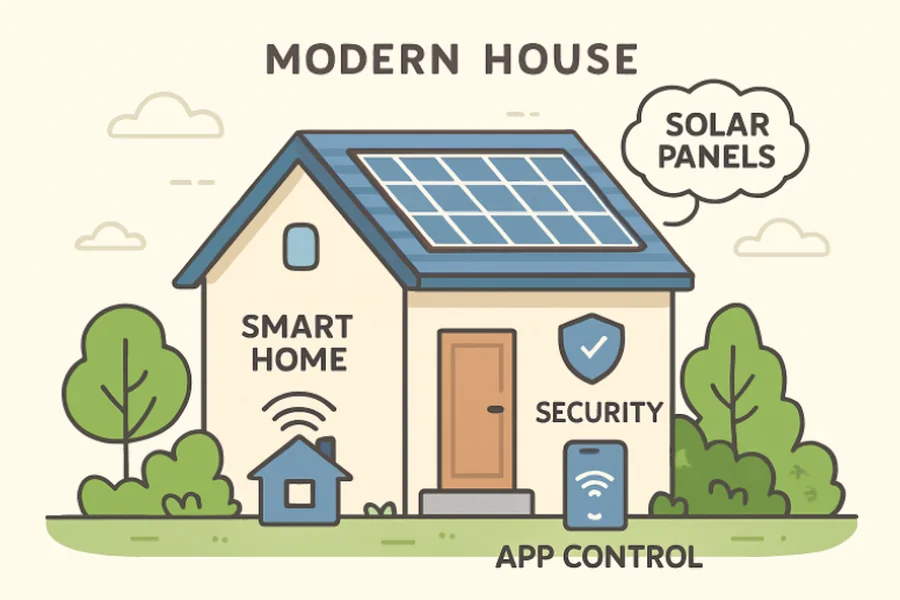
Today’s homebuyers, particularly Millennials and Gen Z, are no longer satisfied with basic amenities. Smart home features such as automated climate control, smart locks, video doorbells, and high-efficiency appliances have become baseline expectations. These technologies promise not only enhanced convenience but also energy and cost savings. A recent survey by Raleigh Reality found that over 60% of recent buyers consider smart home capabilities a must-have when touring properties, forcing builders and sellers to adapt quickly or risk falling behind.
Sustainability and Energy Efficiency Take Center Stage
Environmental stewardship is more than a trend; it’s a buying priority. Modern buyers are actively seeking properties with solar panels, efficient insulation, ENERGY STAR-rated systems, and water conservation features. Besides reducing the carbon footprint, these preferences also address long-term affordability by lowering utility bills over time. As environmental regulation tightens and eco-consciousness rises, homes with green certifications command premium prices and sell faster, as highlighted in recent industry analysis.
Remote Work Influences Location Preferences
The remote work revolution has freed buyers from the constraints of office commutes. Many are now prioritizing spacious homes, home offices, and larger lots found in suburban or rural communities. According to emerging real estate trends, there’s a noticeable migration away from expensive city centers in favor of neighborhoods with better work-life balance and access to nature. These shifting priorities are boosting demand in previously overlooked markets, reshaping everything from transit patterns to local economies.
Affordability Challenges Lead to Innovative Solutions
Rising home prices and inflation are prompting many buyers, especially first-time homebuyers, to get creative. Alternative housing models, such as co-living arrangements, rent-to-own agreements, and properties offering potential rental income, are gaining popularity. As inflationary pressures squeeze budgets, buyers are also exploring multi-generational homes and accessory dwelling units as viable options. These paths are a direct response to affordability challenges, allowing more people to access homeownership on their terms.
Changing Demographics Impact Housing Demand
Demographic changes are quietly, yet significantly, reshaping the market. There has been a surge in single-person households, as well as an increase in families choosing to live in multi-generational settings. This has steered demand toward smaller homes and layouts that support privacy and flexibility under one roof. Builders and developers must diversify their offerings to accommodate aging adults moving in with their grown children, roommates seeking affordability, and buyers who want spaces tailored to their unique family structures.