
The Pitfalls of Yo-Yo Dieting
Millions of adults struggle with yo-yo dieting, experiencing repeated cycles of losing and regaining weight. This frustrating pattern not only undermines self-confidence but also creates real health risks such as fluctuations in blood pressure, increased body fat percentage, and adverse effects on cardiovascular health. Beyond the physical consequences, studies reveal the emotional strain that often accompanies weight cycling, leading many to develop an unhealthy relationship with food and body image. If you’re looking for a personalized, sustainable approach to overcoming these cycles, weight loss Richmond offers individualized support and medically guided strategies to foster lasting change.
Research from North Carolina State University highlights how yo-yo dieting can drain motivation and increase the risk of developing negative perceptions about food and dieting. Breaking this cycle requires more than willpower or temporary diets—it demands strategic, realistic changes that fit into daily life and prioritize well-being.
Embracing Sustainable Lifestyle Changes
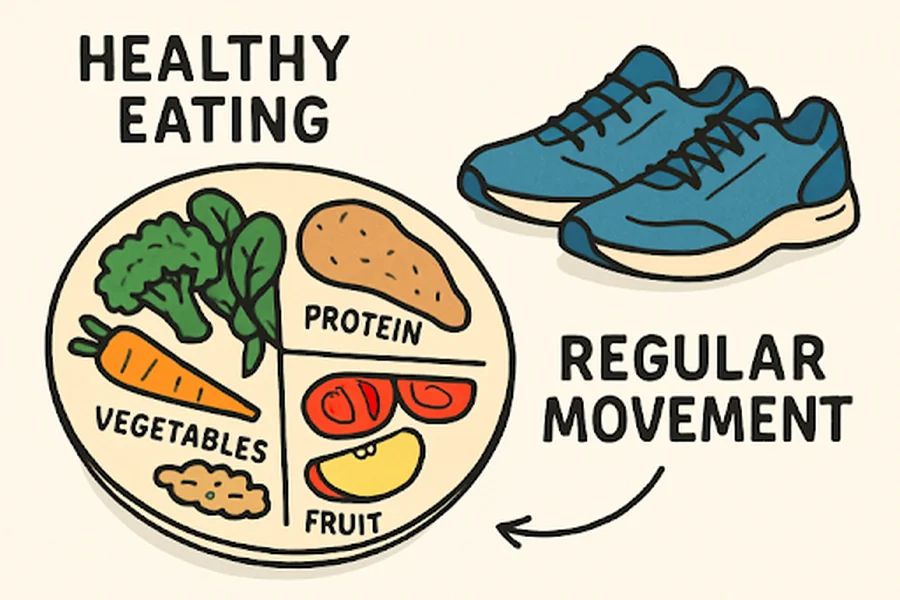
Adopting sustainable changes is the most crucial factor in lasting weight management. Rather than focusing exclusively on calorie restriction or strict diet plans, emphasize a balanced approach rooted in whole foods, enjoyable movement, and mindful eating. Prioritize nutrient-dense meals that are satisfying and incorporate vegetables, fruits, lean proteins, whole grains, and healthy fats. Regular physical activity should feel accessible and enjoyable—whether it’s brisk walking, dancing, cycling, or resistance training—to move your body consistently rather than burning a certain number of calories.
Mindful eating is another cornerstone of sustainable weight management. Attune yourself to hunger and fullness cues, remain present during meals, and use smaller plates or slower eating speeds to encourage moderation naturally. Listening to your body instead of rigidly adhering to diet rules fosters a healthier, more trusting relationship with food.
Evidence-Based Strategies for Weight Maintenance
Long-term weight maintenance hinges on a series of interconnected strategies:
- Consistent Physical Activity: Aim for a mix of strength and cardiovascular training throughout the week. Regular exercise not only maintains muscle mass and metabolic rate but also contributes to positive mood and stress management, making it easier to resist emotional eating triggers.
- Mindful Eating Habits: Track your food intake through journaling or digital apps to identify eating patterns, triggers, and tendencies. Paying attention to portion sizes and meal timing can help reinforce healthy habits even further. For more insights on building mindful eating routines, the CDC’s guide to wholesome eating habits is a valuable resource.
- Accountability and Support: Relying on outside support, such as friends, healthcare teams, or local weight management groups, significantly raises the odds of achieving and sustaining weight loss. Social accountability offers encouragement and helps individuals bounce back from setbacks more quickly.
- Behavioral Therapies: Behavioral therapy, particularly cognitive behavioral therapy (CBT), has shown great promise for those seeking to break entrenched patterns of overeating or emotional eating. CBT helps individuals identify and challenge unhelpful thoughts about food, replace them with healthier beliefs, and cultivate greater self-control and self-compassion in their weight journey.
Mindfulness and Self-Awareness
Mindfulness goes hand-in-hand with long-lasting change. Mindfulness techniques, such as meditation or body scan exercises, enhance self-awareness and facilitate a more accurate recognition of hunger, fullness, and emotional needs. Regular practice has been linked to improved regulation of eating behaviors and a reduced tendency to eat in response to stress or boredom.
For those new to mindfulness, incorporating a short daily routine—like mindful breathing before meals or brief periods of silent reflection—can set the foundation for greater self-regulation and improved food choices in the long term.
Setting Realistic Goals
Establishing meaningful, attainable goals is critical. Sudden, rapid weight loss is usually unsustainable and may set you up for disappointment or exacerbate the cycle of yo-yo dieting. Instead, focus on gradual changes, such as losing one to two pounds per week, increasing weekly exercise duration, or introducing an additional serving of vegetables each day.
Celebrate each milestone, no matter how small, as progress accumulates steadily over time. This mindset shift transforms weight management from a temporary project to a lifestyle anchored in self-care and resilience.
Addressing Emotional Triggers
Emotional eating can easily disrupt progress. Recognizing common triggers—such as stress, loneliness, or boredom—and implementing healthier coping mechanisms is crucial. Activities such as journaling, walking outdoors, talking with supportive friends, or practicing yoga can effectively replace the urge to seek comfort in food.
If emotional eating is a frequent challenge, don’t hesitate to seek help from a mental health professional, registered dietitian, or join a support group, where practical strategies and understanding can make a significant difference.
Conclusion
Achieving long-term weight management is a continuous and ongoing journey that requires dedication, patience, and a deep commitment to one’s health. It is rooted in cultivating self-awareness, maintaining perseverance through challenges, and employing evidence-based approaches that are supported by scientific research. By embracing a holistic approach that includes balanced nutrition, joyful movement, cultivating strong support networks, and practicing mindful self-care, individuals can effectively break the cycle of yo-yo dieting. This creates valuable space for developing a healthier, more fulfilling, and sustainable relationship with food and your body, leading to improved overall well-being.