
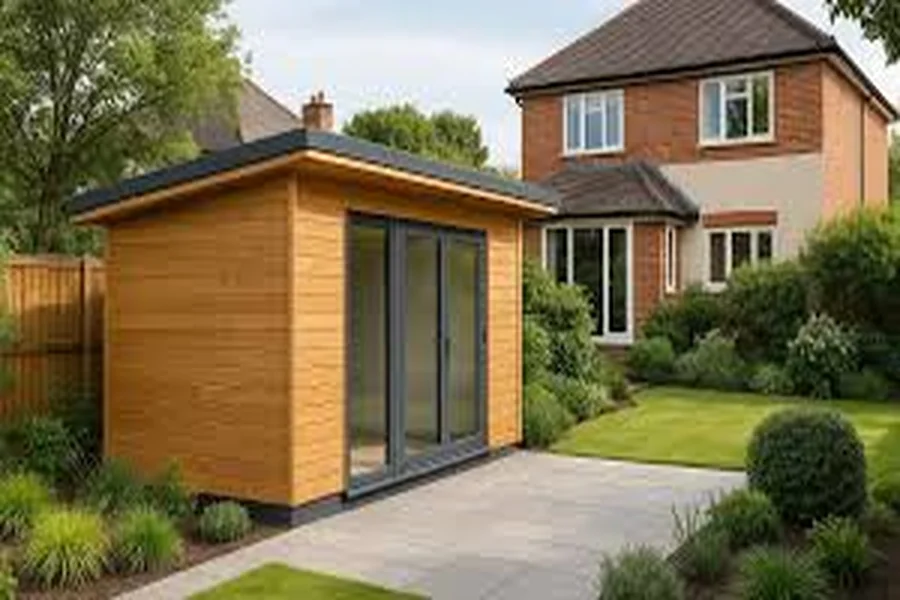
Powering an outbuilding, whether it is a workshop, garage, barn, or guest house, means weighing cost, convenience, reliability, and long-term energy efficiency. Most property owners rely on one of three options: extending electrical lines from the grid, using a generator, or installing a solar power system. While each approach has its place, the right choice depends on the building’s location, power needs, and long-term operating costs. Understanding how these options compare can help you find the best power solution for your property and energy goals.
Running Electrical Lines
One of the most common approaches to powering outbuildings is running electrical power from your main home panel to the outbuilding. This typically involves trenching, conduit installation, and wiring. It provides a reliable, consistent power supply and can support high-demand equipment and appliances, exactly like the power in your home. There’s also no need to manage fuel or energy storage with your standard grid power.
Running electrical lines to an outbuilding can be effective, but it often comes with high upfront costs, especially over longer distances. Permits, inspections, and installation work can all increase the total investment, and trenching may create added disruption to landscaping during the process. This option tends to work best for outbuildings located relatively close to the main structure, but costs can climb quickly when the distance is greater or the terrain makes installation more difficult.
Using a Generator
Portable or standby generators are another option for powering outbuildings, especially if the building is not used often or for extended periods of time. This has a much lower initial cost compared to trenching electrical lines and installing solar, and the setup can be very fast. It’s best for intermittent power needs, rather than consistent usage.
It’s worth noting, however, that generators usually run on fuel, like gasoline, propane, or diesel, so you’ll have ongoing fuel costs to keep it running. Generators can also produce significant noise and emissions, contributing to both noise pollution and environmental pollution. They also need regular maintenance and monitoring. So, if you don’t have the energy or the time to keep up with those needs, this might not be the best choice for you. Before making a decision, it can be helpful to explore expert advice and practical tips on kierrarush.com to better understand the commitment involved.
Solar Power Systems
Solar power has become an increasingly popular option for outbuildings, offering a self-contained, sustainable energy source. A typical system includes solar panels, batteries for storage, a monitoring system, and an inverter. There’s no need for trenching or connecting to the grid, and after installation, there are virtually no operating costs. Solar power is quiet and environmentally friendly too.
Solar does have a higher upfront investment, and energy production obviously depends on the number of sunlight hours in your area. If you want power on cloudy days or at night, you’ll also need battery storage, which increases the installation costs. Despite the initial cost, solar systems often pay for themselves over time through energy savings and reduced maintenance.
Making the Right Choice
The right outbuilding power solution depends on your property layout, energy demands, hours of sunlight, and long-term priorities. For many homeowners, a MidNite Solar inverter offers a reliable, efficient option that combines everyday convenience with lasting value. As part of a well-designed solar power system, it can help power an outbuilding more independently while supporting lower long-term energy costs and a more sustainable setup. For properties where flexibility and efficiency matter, it can be a smart long-term investment.