
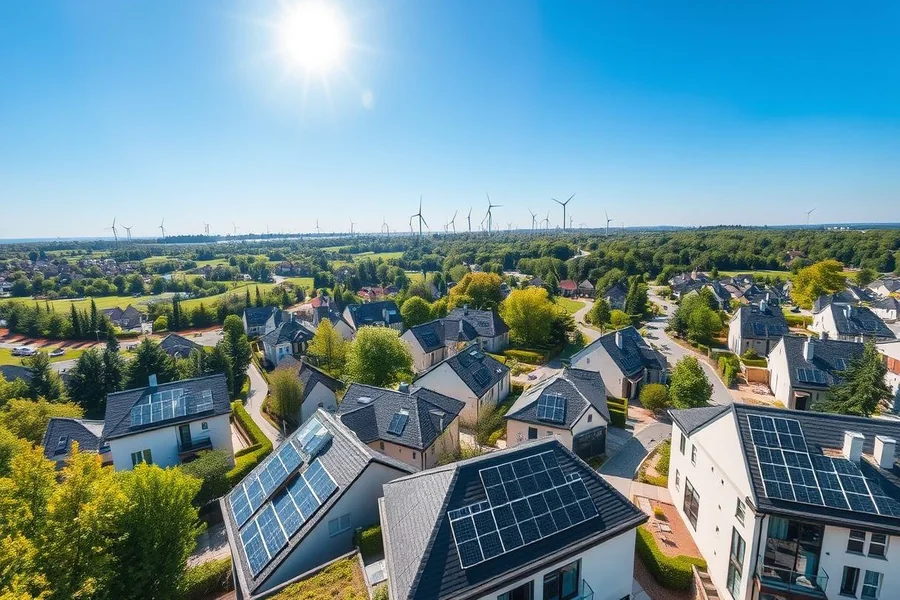
When searching for a future home, buyers are increasingly looking beyond the house itself to the overall environment and lifestyle that the neighborhood offers. Communities surrounded by nature (lush parks, scenic lakes, and winding walking trails) are rapidly climbing to the top of many dream home wish lists. For those evaluating new homes in Parrish FL, proximity to natural amenities is now just as important as floor plans or finishes. This movement toward incorporating the outdoors into daily life offers numerous advantages for health, happiness, and financial well-being.
This trend is more than a fleeting preference. Homeowners and experts alike are recognizing the multiple life-enhancing benefits of living where nature is an integral part of the neighborhood experience. With studies confirming that integrating green space and outdoor features improves nearly every aspect of modern life, nature-focused communities stand out as a guiding vision for the future of residential development.
Mental Health Boost
Natural surroundings do more than just create an inviting setting. They actively support better mental health. According to research from Stanford University, spending as little as 15 minutes walking in a green space can substantially reduce symptoms of anxiety and mood disorders, especially for people living in urban environments. The mere presence of neighborhood parks, nature trails, or serene lakes offers accessible daily opportunities for stress relief and mindfulness.
Communities that integrate thoughtful landscaping and public green spaces help residents disconnect from urban noise and pace, making it easier to recharge mentally. The restorative effects of nature have become so well-recognized that many leading wellness experts recommend regular outdoor time as a simple way to maintain psychological balance. For further insights into how green space impacts mental well-being, see the Stanford Report on nature and mental health.
Moreover, regular exposure to greenery is known to increase creativity and problem-solving skills. Many residents notice improved focus and productivity after spending time outdoors, making nature-centric neighborhoods ideal for those who work from home or lead high-stress lifestyles. Opportunities to meditate, practice yoga, or simply unwind under the trees create a sense of emotional balance that’s difficult to achieve elsewhere. In today’s fast-paced world, such moments of tranquility have become invaluable resources for families and individuals alike, helping to protect mental well-being on a day-to-day basis.
Physical Well-being
Access to natural settings naturally encourages movement. By living in a community equipped with walking paths, fitness loops, or nearby biking trails, residents have convenient options for regular exercise. Studies have demonstrated that people who live within walking distance of parks and recreational areas are more likely to achieve their recommended levels of daily physical activity, significantly decreasing risks for chronic illness, obesity, and cardiovascular problems.
Active lifestyle opportunities, such as jogging along water features or cycling through tree-lined avenues, foster holistic well-being. These amenities not only benefit individual health but also support family bonding and safe play spaces for children.
Well-designed outdoor areas are accessible for all ages, from seniors looking for gentle walking routes to young children eager to explore and play. This accessibility means everyone in the community can build healthy habits and enjoy the outdoors, promoting a culture of wellness. As a result, residents often report higher energy levels, better immune responses, and improved sleep thanks to regular exposure to fresh air and sunlight.
Extended Lifespan
The advantages of living near nature extend well beyond improved mood and increased energy levels. Research published in Science Advances highlights that individuals who live near green spaces experience lower overall mortality rates, potentially adding as much as 2.5 years to their lives compared to those in more built-up environments. This longevity boost arises from a combination of environmental stress reduction, improved air quality, and higher rates of physical activity among residents.
Additionally, the calming presence of nature and opportunities for relaxation can help lower blood pressure and support heart health. As more people seek ways to live longer, healthier lives, neighborhoods that blend the natural world into daily routines provide residents with a measurable advantage. By simply stepping outside their doors, homeowners benefit from nature’s gentle yet powerful impact on the human body, contributing to a longer and more vibrant lifespan.
Community Engagement
Nature-centric developments inspire stronger connections between neighbors. Community gardens, playgrounds, and open fields provide natural gathering spots where friendships can form and grow. Children benefit enormously from shared outdoor adventures, and adults often feel an increased sense of belonging and security in active, close-knit neighborhoods. According to data from the Washington Post, these shared spaces promote emotional resilience and a more vibrant community fabric.
Property Value Appreciation
Homes surrounded by attractive natural features typically command a premium on the real estate market. Buyers are consistently willing to pay more for properties with views, access to lakes, or proximity to pristine parks. These amenities not only enhance daily quality of life but also provide a strong return on investment for homeowners as demand for nature-focused living continues to grow.
Beyond immediate value, attractive outdoor amenities increase the resale potential of properties. Homebuyers with families or those seeking long-term investment opportunities are prioritizing green, walkable neighborhoods when evaluating where to settle. In a competitive housing market, access to nature has become an effective differentiator, offering long-lasting value for property owners and cementing these communities as top contenders for future growth.
Environmental Resilience
Communities that are designed with respect for the environment are better equipped to handle modern challenges, such as intense rainfall or extreme heat. Strategic landscaping, the preservation of wetlands, and the integration of bioswales and rain gardens help absorb water and reduce flooding risks. Such practices not only conserve native wildlife, but they also make entire neighborhoods more sustainable and capable of thriving despite unpredictable weather patterns.
Green infrastructure also filters pollutants from stormwater runoff, protecting both nearby waterways and drinking water supplies. Additionally, tree-lined streets and plenty of open green space can significantly reduce the urban heat island effect, making neighborhoods cooler and more comfortable during summer months. These thoughtful touches highlight the critical role of sustainability in the future of community design.
Real-Life Examples
Innovative new neighborhoods like Serenbe outside Atlanta set compelling examples of the future of nature-driven community planning. Built around green corridors and outdoor amenities, Serenbe’s model pairs modern comfort with direct access to forests, organic farms, and beautifully preserved open space. These developments illustrate the long-lasting value that thoughtful integration of natural features can add to residential life and investment.
Other communities across the nation are also following suit, incorporating similar designs and initiatives. Whether it’s urban rooftop gardens, suburban wildlife preserves, or lakeside developments with robust outdoor programming, these case studies provide clear evidence that prioritizing nature leads to stronger, more connected neighborhoods. As this approach becomes more widespread, it’s reshaping how builders, planners, and residents envision the ideal living environment.
Conclusion
Nurturing a connection with nature is emerging as a defining element of the most livable communities. From promoting mental and physical health to boosting property value and environmental resilience, these neighborhoods confirm that the benefits of green, accessible environments are both measurable and rewarding. As urban expansion continues, the integration of natural elements is not just an attractive extra. It is a fundamental investment in a healthier, happier, and more robust future for everyone.
Looking forward, it’s clear that communities designed with nature in mind are poised to set a new standard for residential life. The combination of accessible outdoor amenities, environmental protection, and enduring property value results in happier residents and more resilient neighborhoods. By continuing to innovate and prioritize sustainability, today’s developers and homeowners alike can play a vital role in creating vibrant spaces where both people and the planet thrive.