
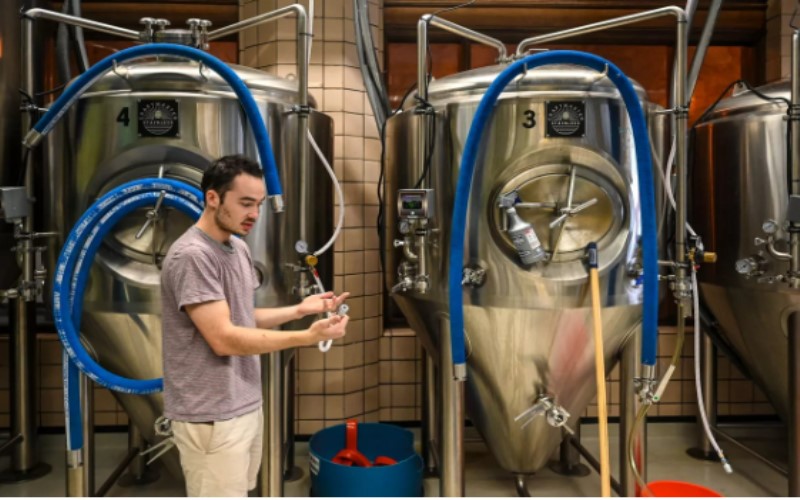
The number of countries that rely on carbon dioxide for their day-to-day operations is immense. Breweries, welding supply stores, catering companies – the list is almost never-ending. As it is a regulated gas, strict rules and regulations must be followed to avoid hazards while handling it daily or refilling it.
In this blog we will have a quick look at the safety features, installation procedure and other concerns that you should be aware of while searching for a CO2 refill near me.
Why is CO2 Gas Wildly Used?
Most people are familiar with carbon dioxide commonly called CO2 as greenhouse gas that contributes majorly to climate change. On one hand, it is true but on the other it also has plenty of uses that helps industries function smoothly. Whether it is your refrigerant or coolant, CO2 gas has plenty of uses to ensure smooth functioning of an industry.
CO2 Refill Safety Features
Here are a few safety features of CO2 tank refill that people should be well aware of:
-
Pressure Relief Valves:
CO2 tanks are equipped with pressure relief valves to prevent over-pressurization. Such valves are set to open and release CO2 gas in a case where the pressure is higher than the safe level. It is, therefore, important to ensure that regular checks and maintenance are done on such valves for proper functioning. Pressure relief valves are an important safety feature that protects equipment and personnel from hazards.
-
Gas Detection Systems:
Installing gas detection systems in areas where CO2 is stored or used can help monitor CO2 levels in real-time. These systems can trigger alarms if CO2 concentrations rise above safe levels, allowing for immediate action to prevent accidents. Gas detectors should be strategically placed near CO2 storage tanks, refill stations, and any areas where leaks are possible.
-
Safety Signage and Labels:
Clear and visible safety signage should be placed in all areas where CO2 is stored, handled, or refilled. Labels on CO2 tanks should include information about the gas, pressure ratings, and safety instructions. Signage can help remind personnel of the potential hazards and the precautions they need to take when working with CO2.
-
Personal Protective Equipment (PPE):
Workers handling CO2 should always wear appropriate PPE, including gloves, safety goggles, and face shields. In some cases, respiratory protection may be necessary, especially in confined spaces where CO2 levels could rise quickly. Safety at the time of refilling CO2 can also be ensured by training all personnel in the proper use of personal protective equipment.
CO2 Tank Installation Best Practices
Before beginning with the tank installation process here are few things that you should be familiar with:
-
Proper Placement:
When installing CO2 tanks, it’s essential to place them in well-ventilated areas to prevent the buildup of CO2 gas in case of a leak. Tanks should be positioned away from direct sunlight, heat sources, and any flammable materials. Additionally, if you are looking for refill co2 tanks near me make sure to get them from a certified place.
-
Secure Mounting:
CO2 tanks must be securely mounted to prevent movement or accidental tipping. This can be achieved using tank brackets, chains, or straps. Proper mounting prevents accidents and ensures the stability of the tanks during refilling and usage. Loose or unstable tanks can lead to leaks or even explosions if the pressure inside the tank becomes too high.
-
Ventilation:
Adequate ventilation is critical in areas where CO2 tanks are stored or used. Ensure that the space is equipped with ventilation systems that can disperse any leaked CO2 gas. In confined spaces, ventilation fans or exhaust systems should be installed to maintain safe air quality levels.
Other Concerns and Considerations
Apart from the above stated CO2 tank refill features and consideration here are few other concerns that you should know about:
-
CO2 Leak Detection and Response:
In the event of a CO2 leak, it’s vital to have a response plan in place. This plan should include immediate evacuation of the area, shutting off the CO2 supply, and ventilating the space. Training employees on how to respond to CO2 leaks is essential for minimizing risk and ensuring a swift and effective response.
-
CO2 Transportation Safety:
When transporting CO2 tanks, make sure they are properly secured and handled with care. Tanks should be transported in an upright position and secured to prevent movement during transit. Additionally, it’s important to follow all local regulations and guidelines for the safe transportation of compressed gases.
-
Storage Considerations:
CO2 tanks should be stored in a cool, dry, and well-ventilated area. The storage space should be free of combustible materials and sources of ignition. It’s also important to avoid overstocking CO2 tanks, as this can increase the risk of accidents.
Conclusion
Handling CO2 requires a strong commitment to safety and careful attention to detail. Provided with safety features and good installation practice on the tank, coupled with other concerns outlined in this guide, you are well on your way to safe and efficient operation in working with CO2 tank refill near me stations.
Constant training, inspection, and compliance with regulations will keep you safe from accidents and ensure a safe workplace. Whether you’re using CO2 for beverage carbonation, welding, or any other application, prioritizing safety will protect both your personnel and your business.