
Key Takeaways
- Electrification and hybrid technology are becoming standard in the luxury market, with new releases focusing on both performance and eco-friendliness.
- Cutting-edge safety features powered by advanced driver-assistance systems (ADAS) set new standards for driving security and convenience.
- The integration of artificial intelligence (AI) delivers intuitive, personalized in-car experiences, from adaptive controls to predictive maintenance.
- Luxe interiors now reflect a commitment to sustainability, featuring materials like vegan leather and recycled composites.
- State-of-the-art lighting systems enhance both the ambiance and safety of modern luxury vehicles.
Table of Contents
- Introduction
- Electrification and Hybrid Powertrains
- Advanced Driver-Assistance Systems (ADAS)
- Artificial Intelligence Integration
- Sustainable Materials and Eco-Friendly Design
- Innovative Lighting Technologies
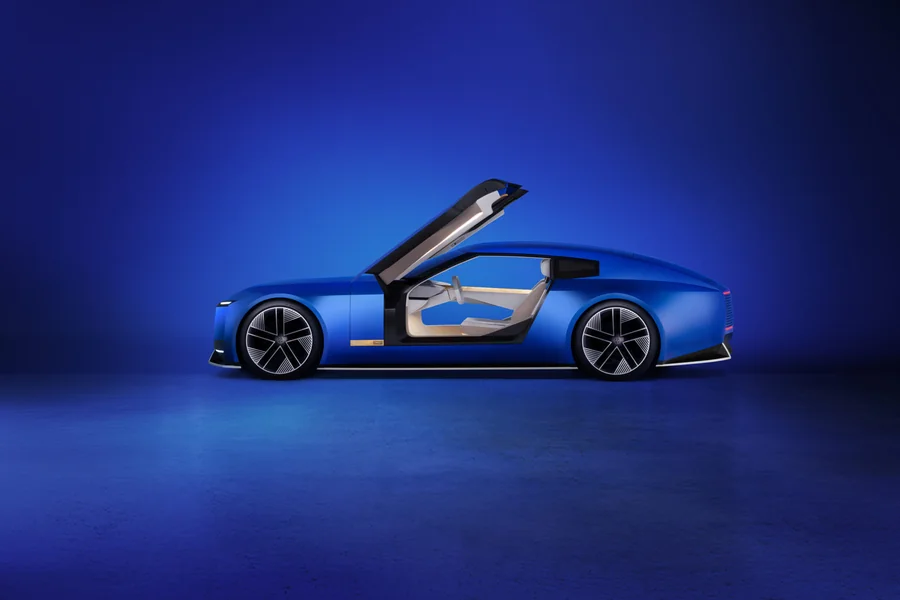
Luxury vehicles are a beacon of innovation within the automotive industry, continuously integrating sophisticated technologies and refined aesthetics to enhance the driver experience. As consumer expectations evolve, so do the features and functionalities embedded within these high-end automobiles, setting new benchmarks for comfort, safety, and sustainability. With brands racing to push the limits of what is possible, the next generation of luxury cars promises to seamlessly merge elegance with intelligence and environmental consciousness. Learn more about how these innovations are shaping the automotive landscape.
This era of transformation is characterized by advanced electrification, the rise of artificial intelligence, and the adoption of eco-friendly design. Manufacturers are investing in new materials, intelligent systems, and tech-driven amenities to deliver vehicles that meet both aesthetic desires and practical needs. These advancements cater to a discerning clientele for whom luxury is defined not just by opulence but also by innovation and responsibility. As a result, luxury vehicles are poised to lead the charge toward a more sustainable, technologically advanced automotive future.
Lifestyle aspirations have also prompted automakers to redefine what constitutes true luxury behind the wheel. Features that once seemed futuristic—from adaptive digital interiors to autonomous safety—are swiftly becoming integral elements of contemporary design. This wave of progress ensures drivers enjoy elevated levels of personalization, convenience, and driving pleasure in every journey.
Leading automotive publications are closely tracking these changes, emphasizing the transformative role of technology and environmental stewardship in shaping the future of automotive luxury. These developments are not isolated trends but a cohesive movement toward a smarter, safer, and more sustainable driving experience.
Electrification and Hybrid Powertrains
The future of luxury vehicles is clearly electric. Leading brands are prioritizing electrification by unveiling hybrid and fully electric models designed to capture the imagination of discerning buyers while addressing environmental concerns. For example, the Genesis X Gran Equator concept showcases a luxury off-roader with advanced electrification, blending classic luxury styling with a fully electric drivetrain. The smooth, quiet ride and instant torque of electric powertrains further reinforce the feeling of refinement and innovation that defines the segment. Other manufacturers, such as Mercedes-Benz and Lexus, have similarly underscored their commitment to electrification, introducing electric flagships that combine sustainability with hallmark luxury features. The pace at which luxury automakers are rolling out electric models continues to accelerate, driven by both regulatory demands and consumer preference for cleaner, greener options.
Advanced Driver-Assistance Systems (ADAS)
Safety innovations have long been a hallmark of luxury vehicles, and recent advances in ADAS affirm this tradition. Today’s premium cars feature technologies such as adaptive cruise control, blind-spot monitoring, lane-keeping assist, and automated parking, all working together to reduce driver workload and prevent accidents. The Mercedes-AMG S63, a benchmark in this domain, boasts one of the most advanced ADAS suites in the industry, combining radar, cameras, and ultrasonic sensors to provide unparalleled driving assistance. These systems not only make daily commutes safer but also pave the way for increased autonomy and peace of mind for drivers and passengers alike. The increased adoption of these systems reflects a shift in expectations, with safety and convenience elevated as prerequisites for true luxury.
Artificial Intelligence Integration
Artificial intelligence is now a pillar of the modern luxury driving experience. Adaptive AI-driven infotainment systems can personalize interfaces, learn driver preferences, and suggest optimized routes using real-time traffic analysis. Voice-activated digital assistants manage climate controls, navigation, entertainment, and communication, creating a responsive, hands-free environment that feels both futuristic and approachable. Predictive maintenance features, empowered by machine learning algorithms, alert owners about upcoming service requirements before problems arise, ensuring reliability and reducing downtime. These advancements in AI foster a more enjoyable and productive experience behind the wheel, one where technology works intuitively to individual needs rather than as a one-size-fits-all solution.
Sustainable Materials and Eco-Friendly Design
Luxury car interiors are undergoing a dramatic transformation, as many automakers integrate sustainable and ethically sourced materials while delivering the tactile sensations and visual appeal customers expect. Options like vegan leather, recycled PET fabrics, certified sustainable wood trim, and biodegradable composites are finding their way into flagship models. This trend is driven not only by regulatory requirements but also by a growing subset of luxury buyers who associate premium status with responsible stewardship of the planet. Manufacturers are responding with interiors that are as visually stunning and comfortable as their traditional counterparts but with a noticeably reduced environmental footprint. The move toward sustainable luxury is expected to gain pace, redefining what it means to travel in style and comfort.
Innovative Lighting Technologies
One of the defining attributes of modern luxury vehicles is the use of advanced lighting systems that do far more than illuminate the road ahead. Matrix LED headlamps, adaptive laser lights, and customizable OLED taillights now offer both enhanced safety and dramatic visual appeal. Ambient interior lighting can be tailored to suit personal moods or seasonal themes, elevating the cabin into a true sanctuary. Externally, sophisticated lighting patterns improve vehicle visibility while clearly signaling intentions to other road users, reducing the risk of collisions. Innovative use of lighting in both the passenger cabin and the vehicle’s architecture not only improves the driving experience after dark but also reinforces the vehicle’s status and uniqueness.
In conclusion, the future of luxury car features is defined by a fusion of progressive technology, environmental responsibility, and personalized comfort. Consumers can look forward to driving experiences that are not only more intelligent and convenient but also more sustainable and holistic. As innovation accelerates, today’s advancements in electrification, ADAS, AI, sustainable materials, and lighting technology are setting the standard for what it means to drive in true luxury.