
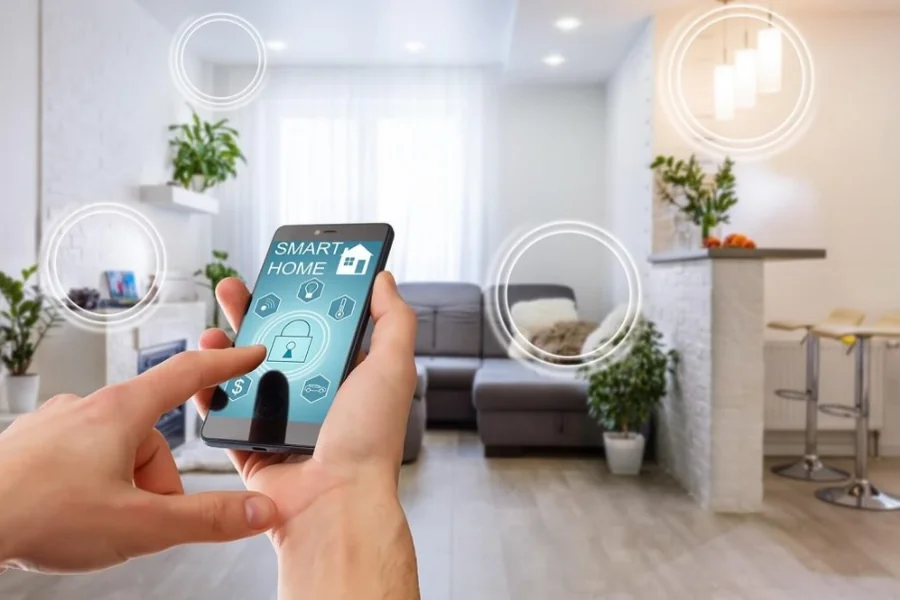
In today’s rapidly evolving real estate market, smart home technology has become a pivotal factor influencing homebuyers’ decisions. Integrating advanced systems into residential properties not only enhances convenience and security but also significantly impacts property values and buyer expectations. Leawood real estate experts The Magnolia KC Group, led by Jennifer Weaver, are at the forefront of this trend, offering personalized attention and a deep commitment to helping clients find their perfect place. Their expertise in the local market, combined with a dynamic approach to real estate, ensures that every detail is handled with care and precision.
The Rise of Smart Home Features
Homebuyers today are prioritizing properties equipped with smart features that offer enhanced convenience and efficiency. Devices such as smart thermostats, lighting systems, and security cameras have transitioned from luxury items to standard expectations. According to a recent survey, 62% of homeowners anticipate that smart home technology will become a necessity within the next few years.
The convenience provided by smart home devices extends far beyond simple daily routines. Products like voice-controlled assistants, automated blinds, and smart kitchen appliances are increasingly integrated into new home construction. These features cater to a generation that values time-saving and streamlined experiences, which means that even basic expectations have shifted. Functionalities once considered futuristic, such as remotely starting the oven or controlling mood lighting through an app, are quickly becoming baseline features for discerning homebuyers.
Energy Efficiency and Cost Savings
One of the most compelling advantages of smart home technology is its potential for energy conservation. Smart thermostats, for instance, learn homeowners’ schedules and adjust temperatures accordingly, leading to significant reductions in energy consumption and utility bills. This efficiency not only benefits the environment but also appeals to cost-conscious buyers.
Additionally, smart lighting systems and energy-monitoring devices provide instant data and analytics, allowing homeowners to track and optimize their energy use. Some systems even offer automated recommendations for improving efficiency, ensuring that homeowners can maximize both comfort and savings with minimal effort. As more people become environmentally conscious, energy-efficient smart homes are rapidly gaining traction in the real estate market.
Enhanced Security and Peace of Mind
Advanced security systems integrated into smart homes provide homeowners with real-time monitoring and control over their property. Features like smart locks, surveillance cameras, and motion detectors can be managed remotely, offering peace of mind and an added layer of protection. This heightened security is a strong selling point for potential buyers.
Integration with personal devices like smartphones and tablets further enhances safety protocols, allowing for instant alerts and the ability to grant or restrict access on the go. Whether checking who is at the front door or monitoring deliveries, these systems significantly reduce stress for busy homeowners and appeal strongly to families and individuals who prioritize safety.
Impact on Property Values
Properties equipped with smart technology often command higher market values. The integration of these features can make a home more attractive to tech-savvy buyers, leading to quicker sales and potentially higher offers. As smart home technology becomes more prevalent, its influence on property valuation continues to grow.
Certain sought-after features, such as whole-house automation systems, high-efficiency appliances, and integrated energy storage solutions, are being highlighted in property listings. Real estate professionals increasingly emphasize these upgrades in marketing materials, positioning homes as “future-proof” and technologically advanced. For sellers, investing in smart home upgrades can often yield a substantial return on investment, making these improvements an intelligent financial decision as well.
Virtual Tours and Remote Accessibility
The homebuying process has been transformed by virtual tours and remote accessibility facilitated by smart technology. Prospective buyers can now explore properties through 3D walkthroughs and virtual reality experiences, allowing for a comprehensive view of the home without the need for physical visits. This innovation has expanded the reach of real estate markets and streamlined the buying process.
Potential buyers from out of town, or even out of state, benefit greatly from these tools, making it easier than ever to house-hunt from afar. Not only do these technologies save time, but they also allow for more informed decision-making. Smart home features, in combination with remote accessibility, are setting new standards for transparency and efficiency in real estate transactions.
Integration with Real Estate Services
Real estate professionals are adapting to the smart home trend by incorporating technology into their services. For example, Leawood real estate experts The Magnolia KC Group offer personalized attention and a deep commitment to helping clients find their perfect place. Their expertise in the local market, combined with a dynamic approach to real estate, ensures that every detail is handled with care and precision.
Additionally, many agencies now provide digital platforms where clients can schedule showings, sign documents electronically, and receive updates in real time. This increases transparency and enhances the client experience, aligning perfectly with the expectations of a digitally-driven audience. Smart technology has not only transformed homes but also the way real estate professionals deliver exceptional service.
Future Trends in Smart Home Technology
Looking ahead, the integration of artificial intelligence and the Internet of Things (IoT) is expected to further revolutionize smart homes. Innovations such as AI-powered home assistants and interconnected devices will offer even greater convenience and customization, setting new standards for modern living.
For example, predictive maintenance systems can monitor the health of a home’s infrastructure and automatically alert homeowners to needed repairs before issues become costly. Water leak sensors, indoor air quality monitors, and adaptive lighting that responds to environmental conditions are just a few of the advancements being developed. These technologies have the power to not only improve the quality of life but also extend the longevity and sustainability of residential properties.
Conclusion
Smart home technology is undeniably reshaping the landscape of modern homebuying. As these features become more integrated into residential properties, they not only enhance the living experience but also influence market dynamics and buyer preferences. Staying informed about these advancements is essential for both buyers and sellers navigating the contemporary real estate market.
As more homebuyers prioritize technology, the demand for innovative, functional, and secure smart homes will only increase. Real estate professionals, builders, and homeowners who embrace these advancements will find themselves well-positioned in a competitive market. The future promises even smarter, more intuitive homes—tailored to meet the evolving needs and desires of modern families.