
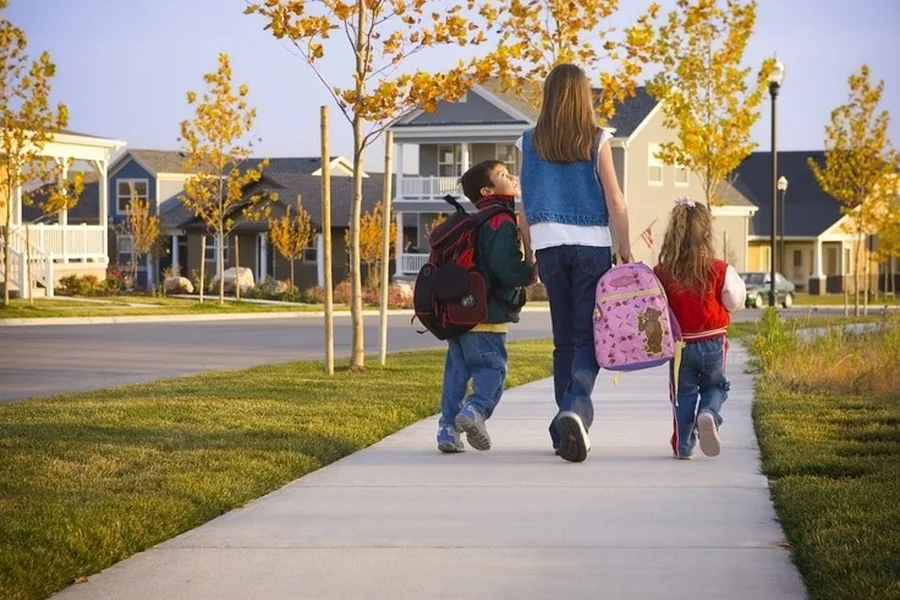
Walkable neighborhoods play a significant role in promoting healthier lifestyles by encouraging daily physical activity. When sidewalks are safe and amenities are within a short distance, people are more likely to walk or bike instead of drive. This shift supports cardiovascular health and weight management and fosters mental well-being by reducing isolation and increasing social interaction.
Beyond health benefits, walkable communities also appeal to those seeking convenience and a stronger connection to their surroundings. These preferences often influence housing choices, as seen in increased interest in options like homes for sale in Travis Heights, where residents prioritize accessibility and community feel. Neighborhoods designed for walkability enhance quality of life, blending everyday functionality with long-term wellness support.
Health Benefits of Walkable Neighborhoods
Residents in walkable neighborhoods incorporate more physical activity into their daily routines by choosing active transportation methods like walking or biking. This natural inclusion of movement significantly reduces rates of obesity, diabetes, and cardiovascular disease. People living in highly walkable areas report a 43% obesity rate compared to 53% in less walkable environments. As exercise becomes a regular part of commuting, errands, and recreation, long-term health outcomes improve across the community.
The Role of the Built Environment
Sidewalks, crosswalks, and well-planned walking paths encourage walking for all age groups. Parks and communal green spaces further motivate individuals to spend more time outdoors, supporting physical and mental health. Access to recreational areas also plays a key role in managing chronic stress and improving quality of life.
Social Advantages
Walkable neighborhoods aren’t just healthier—they’re also friendlier. The layout of these communities naturally fosters more regular and meaningful social interactions. Residents develop a sense of belonging and deepen their social bonds by meeting neighbors, walking their dogs, or attending local block parties. Enhanced community cohesion can reduce feelings of isolation and is strongly linked to improved mental health and overall life satisfaction.
The Impact on Children and Seniors
When children can safely walk or bike to school and parks, and seniors can access amenities without relying on cars, people of all ages experience greater independence and connection. Intergenerational encounters in walkable spaces can further strengthen community ties.
Environmental Impact
Walkable neighborhoods play a key role in reducing environmental footprints. When more people choose to walk rather than drive, vehicle emissions drop, contributing to cleaner air. These communities often boast tree-lined streets, public green spaces, and community gardens—a combination that improves air quality, mitigates urban heat, and supports urban biodiversity. Walkability is essential in city planning efforts to combat climate change and create more resilient communities.
Economic Implications
High demand for homes in walkable neighborhoods typically drives up property values, highlighting walkability as a smart investment. Research indicates that locally owned businesses see increased foot traffic and revenue in such areas, as residents are likelier to shop, dine, and access services on foot. Thriving retail corridors and active streetscapes enhance the local economy and foster a vibrant sense of place—benefiting everyone from homeowners to business owners.
Designing for Walkability
Urban planners and policymakers play a critical role in designing walkable neighborhoods. The most successful communities incorporate features that make walking safe, convenient, and enjoyable:
- Well-maintained and accessible sidewalks with curb cuts for strollers and wheelchairs
- Safe crosswalks and reduced traffic speeds to protect pedestrians
- Reliable public transit options to supplement walkability and reduce car dependency
- Proximity to essential services, such as grocery stores, schools, and healthcare providers
- Green spaces and recreational areas for gathering and relaxation
Community Input and Flexibility
Community engagement is vital for successful neighborhood planning. Listening to residents’ needs ensures the designs are adapted to local cultures and lifestyles. Flexibility allows neighborhoods to evolve as demographics shift and urban challenges change.