
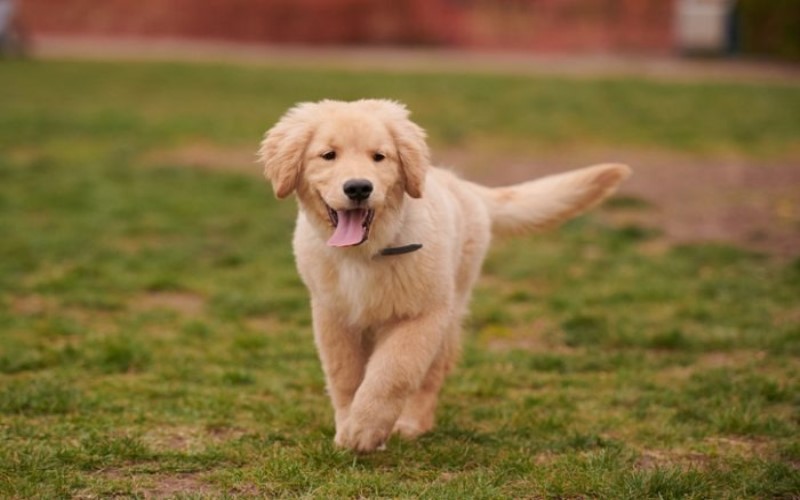
Do you have a fluffy friend with a double coat, like a Husky or a Golden Retriever? If so, you’ve likely experienced the challenge of keeping their coat healthy and tangle-free. Double-coated breeds have a unique fur structure that requires specific grooming techniques. Not only does proper grooming enhance their appearance, but it also promotes their overall health. In this guide, we’ll share expert tips on grooming double-coated dogs, ensuring they look and feel their best.
Understanding Double-Coated Breeds
Double-coated breeds have two layers of fur. The undercoat is soft and dense, providing insulation, while the topcoat is made of longer, coarser hairs that protect against dirt and moisture. This dual layer helps regulate temperature and offers protection from the elements. However, it also means that grooming is essential to prevent matting and excessive shedding. Regular grooming maintains the natural balance of oils in your dog’s skin and fur, contributing to their overall health.
The Importance of Regular Grooming
Regular grooming is crucial for double-coated breeds. It helps prevent mats, which can cause discomfort and skin issues. Mats can trap moisture and dirt, leading to infections or irritations. By grooming consistently, you can remove dead hair and distribute natural oils evenly, keeping your dog’s coat healthy and shiny. Grooming sessions also provide an opportunity to check for ticks, fleas, or any unusual skin conditions, ensuring your pet stays in top shape.
Choosing the Right Tools
Selecting the right grooming tools is vital for the well-being of your double-coated dog. A slicker brush is a must-have for removing loose hair and detangling the undercoat. A de-shedding tool is also helpful in reducing shedding by reaching the undercoat without damaging the topcoat. Thinning shears for dogs can help manage the thickness of the coat and achieve a neat finish. These tools, combined with regular grooming, will keep your dog’s coat looking its best.
Brushing Techniques for Double-Coated Breeds
Effective brushing techniques are essential for grooming double-coated breeds. Start by using a slicker brush to remove loose hairs and detangle any knots gently. Work in sections, starting from the back and moving towards the head. Pay special attention to areas prone to matting, such as behind the ears and under the legs. Use a de-shedding tool to reach the undercoat and remove excess fur. Regular brushing not only keeps the coat tidy but also strengthens the bond between you and your pet.
Bathing Tips for Double-Coated Dogs
Bathing a double-coated dog requires some preparation. Use a dog-specific shampoo that maintains the skin’s natural balance. Before bathing, brush your dog’s coat to remove loose hairs and prevent matting during the wash. Ensure the water reaches the undercoat, and rinse thoroughly to remove all soap residues. After bathing, gently towel-dry your dog and use a blow dryer on a cool setting to prevent overheating. Regular baths keep your dog’s coat clean and reduce the likelihood of skin problems.
Managing Shedding Like a Pro
Shedding is a natural process for double-coated breeds, but it can be managed effectively. During shedding season, increase grooming frequency to prevent excessive hair buildup. Use a de-shedding tool to remove loose hairs and promote new growth. Regular brushing and proper nutrition contribute to a healthy coat, minimizing shedding. By staying on top of grooming, you’ll keep your home cleaner and your pet more comfortable.
Dealing with Matting
Matting is a common issue for double-coated breeds, especially in areas with friction, like under the legs and around the collar. To prevent mats from forming, brush your dog’s coat regularly and keep an eye on these trouble spots. If you find a mat, gently work through it with your fingers or a comb, starting from the ends and moving towards the skin. Avoid cutting mats with scissors, as this can accidentally harm your pet’s skin. Regular grooming and attention to high-friction areas will help avoid matting.
Professional Grooming vs. DIY
Deciding whether to groom your double-coated dog at home or seek professional help depends on your dog’s needs and your comfort level. Professional groomers have experience and tools to handle even the most challenging coats. They can provide services like nail trimming, ear cleaning, and specialized haircuts. However, at-home grooming can be a bonding experience and allows you to maintain your dog’s coat between professional visits. Whichever route you choose, regular grooming is essential for your pet’s health and comfort.
Nutrition and Coat Health
A healthy coat starts with a balanced diet. Ensure your double-coated dog receives the necessary nutrients, including omega-3 and omega-6 fatty acids, to support hair and skin health. Consult your veterinarian for dietary recommendations tailored to your pet’s specific needs. A well-nourished dog will have a shinier, more manageable coat, reducing the likelihood of excessive shedding and skin issues. Nutrition plays a crucial role in maintaining your dog’s overall health and appearance.
Timing Your Grooming Sessions
Timing is crucial when grooming double-coated breeds. Regular grooming sessions, ideally once a week, help keep the coat in check and prevent issues like matting and excessive shedding. During shedding season, increase the frequency of grooming to manage the extra hair. Establishing a grooming routine ensures your dog’s coat remains healthy and prevents any discomfort. Consistent grooming also allows you to spot potential health concerns early, ensuring your pet’s well-being.
Common Grooming Mistakes
Avoid common grooming mistakes to ensure your double-coated dog stays happy and healthy. Never shave a double-coated breed, as this can disturb their natural insulation and protection. Use proper tools and techniques to avoid damaging the coat or causing discomfort. Be patient and gentle during grooming sessions to create a positive experience for your pet. By avoiding these mistakes, you’ll maintain your dog’s coat and overall well-being, ensuring they look and feel their best.
Conclusion
Grooming double-coated breeds requires dedication, patience, and the right techniques. By understanding the unique needs of these breeds and using appropriate tools, you can keep your dog’s coat healthy and beautiful. Regular grooming sessions not only enhance your pet’s appearance but also contribute to their overall well-being. Remember, a well-groomed dog is a happy dog. Incorporate these tips into your grooming routine, and enjoy the bond you build with your fluffy companion.