
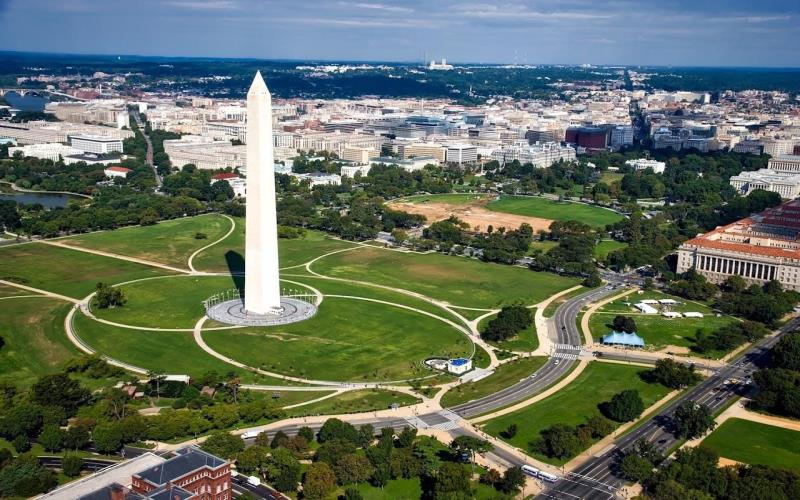
Washington State has long been a leader in environmental stewardship, and its construction industry is no exception. As urban centers like Seattle grow and the demand for sustainable development rises, construction leaders are turning to innovative, eco-friendly practices. These approaches not only reduce environmental impact but also address the changing preferences of businesses and residents who prioritize sustainability. From using renewable materials to enhancing energy efficiency, Washington’s construction professionals are setting a high standard for green building. Here, we explore the sustainable building practices spearheaded by Washington State construction leaders.
Embracing Renewable and Recycled Materials
In sustainable construction, material selection plays a vital role. Washington’s builders are increasingly opting for renewable resources such as bamboo, reclaimed wood, and recycled metals. By choosing these materials, they reduce the need for resource extraction and minimize waste. Many companies are partnering with suppliers who emphasize ethical sourcing and are committed to reducing their environmental footprint. The use of recycled materials not only saves resources but also aligns with the state’s emphasis on reducing landfill waste, which helps lower overall construction costs.
Green Certifications: Setting Standards for Sustainability
Green building certifications like LEED (Leadership in Energy and Environmental Design) and ENERGY STAR set rigorous standards for sustainable practices. Many Washington-based construction firms are dedicated to achieving these certifications, demonstrating their commitment to eco-friendly development. These certifications help guide builders in adopting sustainable practices such as energy-efficient lighting, water conservation systems, and improved indoor air quality. Achieving these certifications also enhances the long-term value of the buildings, attracting environmentally conscious tenants and owners.
Reducing Carbon Footprint through Efficient Transportation
Transportation is a significant contributor to the carbon footprint of any construction project. In Washington, construction leaders are reducing emissions by implementing strategies such as local sourcing, optimizing delivery routes, and consolidating shipments. This commitment to eco-friendly logistics often involves partnering with heavy equipment movers who prioritize fuel efficiency and reduce the number of trips required. These efforts not only cut emissions but also streamline operations, minimizing disruptions to urban areas and reducing project timelines.
Integrating Solar Power and Renewable Energy Sources
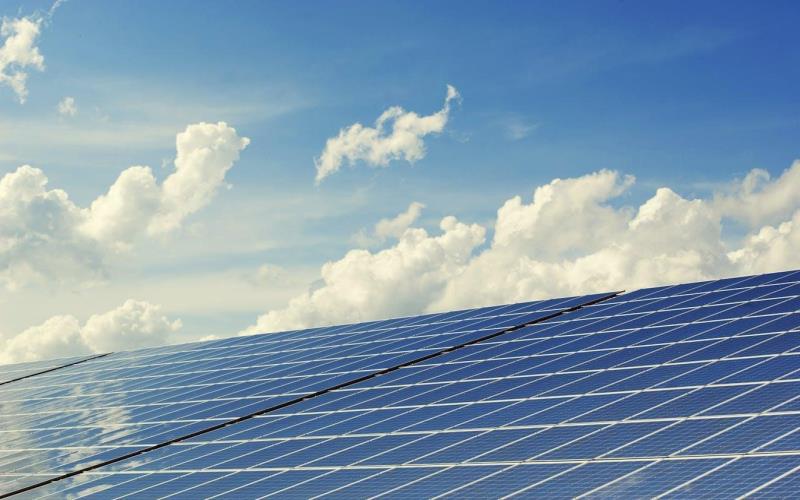
Renewable energy integration is a prominent feature in Washington’s sustainable building practices. Solar panels, wind turbines, and geothermal heating systems are becoming common on both residential and commercial construction sites. The state’s climate is well-suited to harnessing solar energy, and many builders are installing solar panels on rooftops to provide renewable energy for daily operations. Additionally, some projects incorporate battery storage systems that allow energy to be used during peak demand, further reducing dependence on non-renewable energy sources.
Advanced Waste Management and Recycling Systems
Minimizing waste is essential for sustainable construction, and Washington builders are taking strides in waste management and recycling. Construction companies are setting up on-site recycling stations, separating materials like concrete, metal, and wood for reuse. By implementing efficient waste sorting and recycling protocols, they ensure that minimal waste ends up in landfills. Some firms even partner with waste management companies that specialize in repurposing construction materials, ensuring a circular economy approach where resources are continuously reused.
Green Roofs and Natural Landscaping for Urban Areas
Urban areas in Washington are embracing green roofs and natural landscaping to improve air quality and reduce heat. Green roofs, or roofs covered with vegetation, provide insulation, absorb rainwater, and reduce the urban heat island effect. They also create a natural habitat for pollinators and birds, contributing to urban biodiversity. Beyond green roofs, many construction projects include rain gardens and natural landscaping that use native plants, reducing the need for irrigation and fertilizers. These features enhance the aesthetic appeal of buildings and foster a healthy environment.
Water Conservation Strategies in New Buildings
Water conservation is a priority in Washington’s construction projects. Builders are incorporating efficient water systems, such as low-flow faucets, dual-flush toilets, and rainwater harvesting systems. Greywater recycling, where wastewater from sinks and showers is treated and reused for landscaping, is also gaining popularity. These innovations are particularly valuable in urban settings, where water demand is high, and they help lessen the impact on municipal water resources. By using these systems, builders create structures that consume significantly less water, aligning with the state’s sustainability goals.
Eco-Friendly Insulation and Indoor Air Quality Improvements
Indoor air quality is a critical aspect of sustainable construction, especially for residents’ health and comfort. Many Washington construction leaders are moving away from traditional insulation materials, which often contain harmful chemicals, and are instead using eco-friendly alternatives like cellulose and natural wool. These materials improve thermal performance while reducing the release of volatile organic compounds (VOCs) into the air. Additionally, sustainable practices such as installing advanced ventilation systems and using low-VOC paints and adhesives help ensure a healthier indoor environment for occupants.
Energy-Efficient Lighting and HVAC Systems
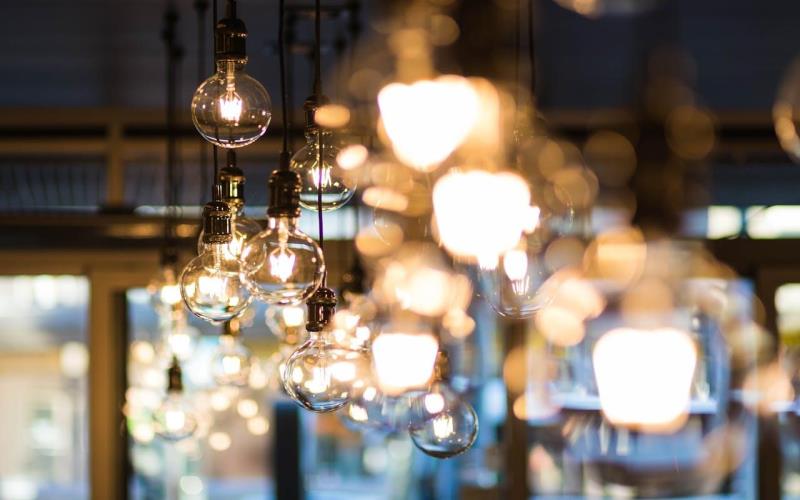
Energy efficiency is central to sustainable construction, and Washington builders are focusing on innovative lighting and HVAC (heating, ventilation, and air conditioning) solutions. LED lighting systems, motion sensors, and energy-efficient HVAC systems are increasingly standard in new buildings. These systems not only reduce energy consumption but also lower operating costs for building owners. Advanced HVAC systems use sensors to adjust heating and cooling based on occupancy, ensuring that energy is used only when necessary. This intelligent use of energy aligns with Washington’s goal of reducing overall energy consumption and greenhouse gas emissions.
Collaboration with Environmental Experts and Local Communities
Sustainable construction in Washington is a collaborative effort involving environmental consultants, architects, and local communities. Construction leaders are engaging environmental experts early in the design process to identify the best practices for minimizing environmental impact. They also work closely with local communities to understand specific environmental challenges and gather input on sustainable building methods. This approach fosters a sense of shared responsibility and encourages the adoption of eco-friendly practices across multiple industries.
The Future of Sustainable Construction in Washington
Washington State’s commitment to sustainability is influencing the future of construction. As technology evolves, construction leaders are exploring new ways to reduce environmental impact further. Innovations such as 3D printing, modular construction, and carbon-sequestering building materials hold promise for even more eco-friendly construction practices. These advancements not only address current environmental concerns but also prepare the industry for future challenges. With its dedication to sustainable development, Washington is setting a benchmark for others to follow, proving that building greener is not just a trend but a fundamental approach to responsible construction.
Conclusion: Washington State Construction Leaders
Washington State construction leaders are at the forefront of sustainable building practices, demonstrating that eco-friendly development is both practical and necessary. By choosing renewable materials, reducing emissions, conserving water, and prioritizing energy efficiency, they are building for a future that values the planet as much as the community. These practices not only align with Washington’s environmental goals but also respond to the growing demand for sustainable buildings. With continued innovation and collaboration, Washington’s construction industry is poised to set the standard for green building nationwide, inspiring others to adopt sustainable practices for a healthier planet.