
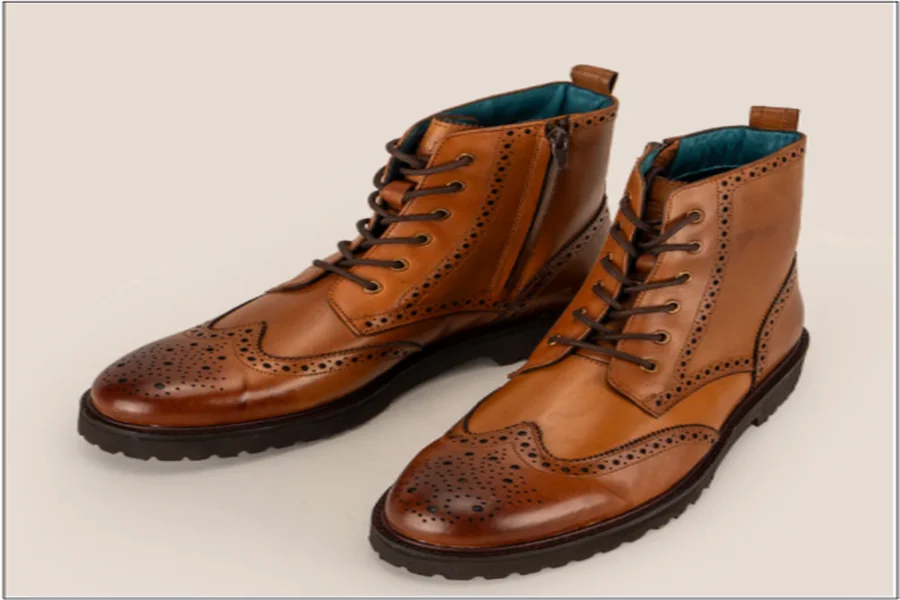
Some boots are made for a moment. The Chelsea boot was made for a lifetime. Some pieces of footwear come and go with the seasons. They arrive with a bit of noise, get worn for a year or two, and then quietly disappear from shop floors and street corners alike. And then there are the ones that never leave. The Chelsea boot sits firmly in that second category, and it has done so for the better part of a century.
It is the kind of boot that works on a builder and a barrister, on a rock musician and a retired professor. It has been worn by royalty, rebellious youth, and everyone in between. If you have ever wondered why this particular silhouette has such extraordinary staying power in British culture, the answer is more interesting than you might expect.
A Boot Born in Victorian England
The origins of the Chelsea boot go back to the 1850s, when the elastic-sided ankle boot was first developed, reportedly with input from Queen Victoria herself. The design was practical and elegant in equal measure. A low heel, a sleek profile, no laces to deal with, just two panels of elastic at the sides that allowed the boot to slip on and off with ease. For Victorian riders and equestrians, this was a genuine revelation.
The boot spent the next century being practical and dependable but not especially fashionable. That changed dramatically in the late 1950s and early 1960s, when the design was picked up by the mod scene centred around the King’s Road in Chelsea, which is of course where the boot got the name that has stuck ever since.
How the Mop Tops Put It on the Map
If there is one moment that cemented the Chelsea boot as a cultural icon rather than simply a practical piece of footwear, it was the Beatles wearing them throughout the early 1960s. John, Paul, George, and Ringo were photographed in elastic-sided ankle boots constantly during their rise to global fame, and the effect on public taste was immediate and enormous.
The boots they wore were often referred to as Beatle boots at the time, a slight variation on the classic design with a slightly higher and more tapered heel. But the silhouette was unmistakably the same, sleek, ankle-height, no laces, clean enough to look sharp but edgy enough to feel like a statement. Young men across Britain and then across the world wanted a pair, and British shoemakers were more than happy to oblige.
What is remarkable is that this association with youth culture and creative energy did not date the boot. If anything, it gave it a depth of meaning that kept it relevant long after the Swinging Sixties had passed.
Decades of Reinvention Without Losing Its Identity
One of the most impressive things about this particular boot is how it has moved through British subcultures without ever belonging entirely to any single one of them. The mods wore them in the sixties. Glam rock picked them up in the seventies and added a platform. Punk gave them a rougher edge. The nineties Britpop scene brought them back into sharp focus again, with Oasis and their contemporaries making them a staple of lad culture almost overnight.
Through all of these reinventions, the core design barely changed. The elastic sides stayed. The ankle height stayed. The clean, uncluttered profile stayed. What shifted was the material, the heel height, and the attitude of the person wearing them. That adaptability is the real secret behind the boot’s longevity.
Why It Continues to Work on Modern British Streets
Walk through any British city today and you will not have to look far to spot a pair. Chelsea boots men wear today span everything from sleek black leather worn with a tailored suit to a more rugged suede pair pulled on with raw-hem jeans and a waxed jacket. The boot exists comfortably in both worlds, and that is genuinely rare.
Part of what makes it so useful in a modern wardrobe is the profile. The ankle boot length gives the leg a clean, elongated line that works equally well with slim trousers, straight-cut jeans, or even the kind of cropped chinos that have become a menswear staple over the past few years. It never competes with the outfit. It simply completes it.
The slip-on design also speaks directly to the way modern men want to get dressed. Nobody wants to spend five minutes tying laces at seven in the morning. A good Chelsea boot goes on in seconds and looks like you have put serious thought into the whole thing. That combination of ease and impact is exactly what great footwear should deliver.
Leather, Suede, and the Material Question
Choosing between leather and suede is one of the first decisions you will face, and it is worth thinking about properly. A leather Chelsea boot in black or dark brown is about as versatile as footwear gets. It works with smart outfits, it works with casual ones, and it develops a beautiful patina over time that only improves with age and care. This is a boot you can wear for a decade if you look after it.
Suede brings a softer, more relaxed energy that suits casual and smart-casual dressing particularly well. A tan or grey suede Chelsea has a warmth to it that leather does not always replicate, and it pairs brilliantly with the kind of earthy, textured outfits that feel very natural in British autumn and winter. The trade-off is that suede requires a little more care and is less forgiving in wet weather, which, given the British climate, is worth bearing in mind.
Craft and Construction: What to Look For
Not all Chelsea boots are built equally, and the difference between a good one and a poor one becomes very obvious after a few months of regular wear. The quality of the leather, the strength of the elastic sides, the construction of the sole, these are the things that determine whether you are buying something that lasts or something that lets you down.
It is always worth spending a little more on a boot that is properly made. Good leather, solid construction, and honest materials make all the difference. A well-made boot will outlast a cheaper alternative by years, and it will look better throughout every single one of them.
It is also worth thinking about the heel. A modest stacked leather heel gives the boot a slightly dressier feel and is the more traditional choice. A rubber sole offers more grip and practicality for everyday wear. Both are valid, and the right choice depends on how and where you plan to wear them most.
Thinking About Your Wardrobe Across the Seasons
A Chelsea boot earns its place because it works across most of the year. In the cooler months it pairs naturally with heavier fabrics, layered outfits, and the kind of textures that make autumn and winter dressing so satisfying. In spring it transitions easily into lighter combinations. The one season where it steps aside is the height of summer, when the warmer weather calls for something entirely different.
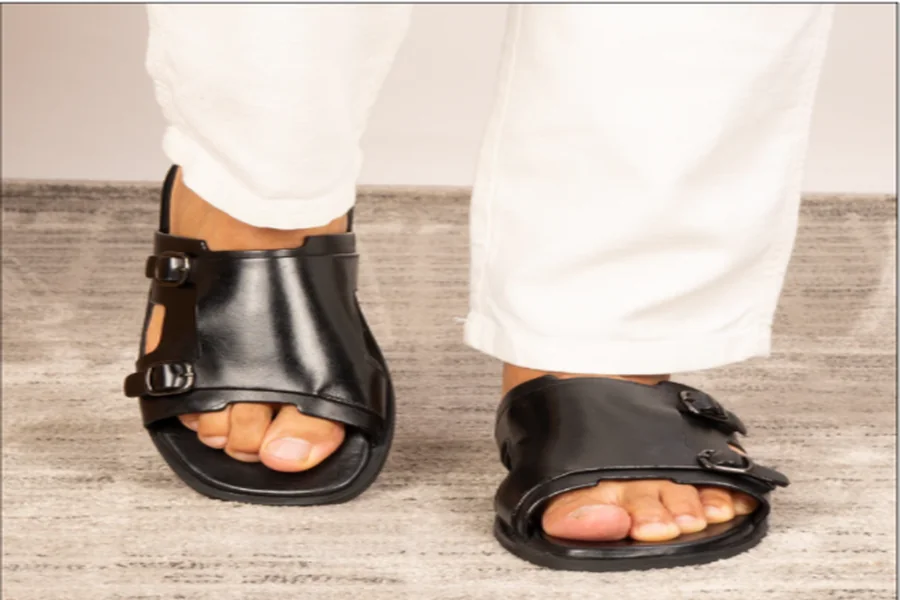
When the temperature finally climbs and the boots go away, a good pair of mens sandals becomes the sensible and stylish alternative. A leather sandal in a clean, minimal design carries some of the same unfussy elegance as a Chelsea boot and bridges the gap between the warmer months without abandoning the considered approach to footwear that makes a real difference to how an outfit looks and feels.
Conclusion
The Chelsea boot has earned its place in British footwear history not through nostalgia alone but through genuine, consistent usefulness. It began as a practical riding boot, became a symbol of youth culture and creative energy, and has spent the decades since quietly proving that good design does not need to reinvent itself to stay relevant.
The reason chelsea boots men reach for year after year comes down to exactly that combination of simplicity, versatility, and a silhouette that flatters almost every outfit it meets. If you are looking for a pair that genuinely lives up to that reputation, Oswin Hyde is a name worth starting with. Classic British craft, honest materials, and boots built to last well beyond a single season.
From the King’s Road in 1963 to the streets of every British city today, this is one boot that has never needed to shout. It just shows up, looks right, and gets on with it. In footwear as in life, that kind of quiet reliability is worth more than almost anything else.