
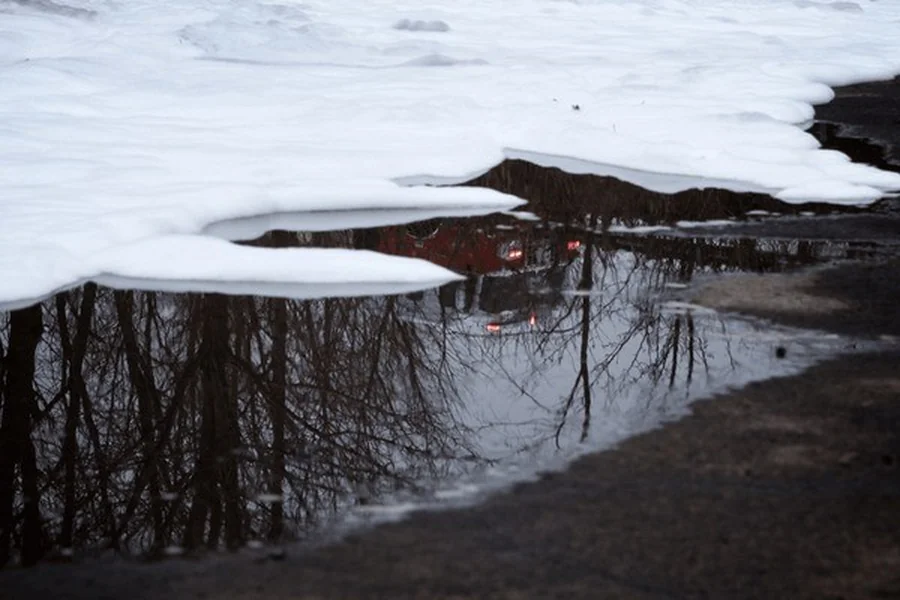
Aqueous Film-Forming Foam, commonly known as AFFF, has been a critical tool for firefighters battling flammable liquid fires for decades. Its effectiveness in quickly suppressing dangerous blazes, especially at airports and military bases, has made it a go-to firefighting agent worldwide. However, growing concerns have emerged about the potential environmental and health risks linked to AFFF use. For those affected, AFFF firefighter foam cancer lawsuits have become an important avenue for seeking justice.
What Is AFFF and Why Is It Used?
AFFF is a specialized firefighting foam designed to rapidly extinguish fuel fires by forming a thin, aqueous film that cuts off oxygen and cools the flames. Its unique chemical composition makes it particularly effective against flammable liquids like gasoline, jet fuel, and oil, making it indispensable for fire departments, airports, and military installations.
Environmental Impact: Contamination and Persistence
Despite its firefighting benefits, AFFF contains per- and polyfluoroalkyl substances (PFAS), often called “forever chemicals” due to their extreme persistence in the environment. These chemicals do not break down easily and can contaminate soil, groundwater, and drinking water supplies.
Communities near military bases, airports, and training sites where AFFF has been regularly used have reported elevated PFAS levels in their water sources. This contamination poses serious environmental concerns, as PFAS exposure has been linked to adverse effects on wildlife and ecosystems.
Health Risks Linked to AFFF Exposure
PFAS compounds found in AFFF are associated with numerous health problems. Studies have linked exposure to these chemicals to:
- Various types of cancer, including kidney and testicular cancer
- Immune system suppression
- Hormonal disruptions
- Liver damage
- Developmental issues in children
Firefighters and other emergency responders who worked extensively with AFFF are especially vulnerable. Many have developed serious illnesses after repeated exposure, often without adequate protection or warnings about the risks.
Legal Actions: AFFF Firefighter Foam Cancer Lawsuits
In response to mounting evidence of health hazards, many affected firefighters and communities have filed lawsuits against manufacturers and distributors of AFFF. These AFFF lawsuits claim that companies failed to warn users about the risks associated with PFAS chemicals and neglected to provide safer alternatives.
These legal actions seek compensation for medical expenses, pain and suffering, lost wages, and long-term care related to cancer and other diseases caused by AFFF exposure.
Moving Toward Safer Alternatives and Regulations
Recognizing the dangers, regulatory agencies like the Environmental Protection Agency (EPA) have begun imposing stricter limits on PFAS chemicals and encouraging the development of safer firefighting foams. Several states have banned or limited AFFF use, especially in training exercises, to minimize environmental contamination.
Meanwhile, efforts continue to clean up contaminated sites and provide affected communities with safer water supplies.
What Can You Do If You’ve Been Exposed?
If you are a firefighter, military personnel, or someone living near areas where AFFF was used extensively and have developed health problems, it’s important to seek medical evaluation and legal advice. Understanding your exposure history and health risks can help you pursue compensation and access resources for treatment.
Conclusion
While AFFF has undoubtedly saved countless lives by effectively combating dangerous fires, the environmental and health consequences of its chemical components cannot be ignored. The persistence of PFAS in the environment and its link to serious illnesses highlight the urgent need for safer firefighting solutions and accountability.
If you or a loved one has suffered health issues potentially related to AFFF exposure, consulting with knowledgeable legal professionals can help you understand your rights and explore your options.