
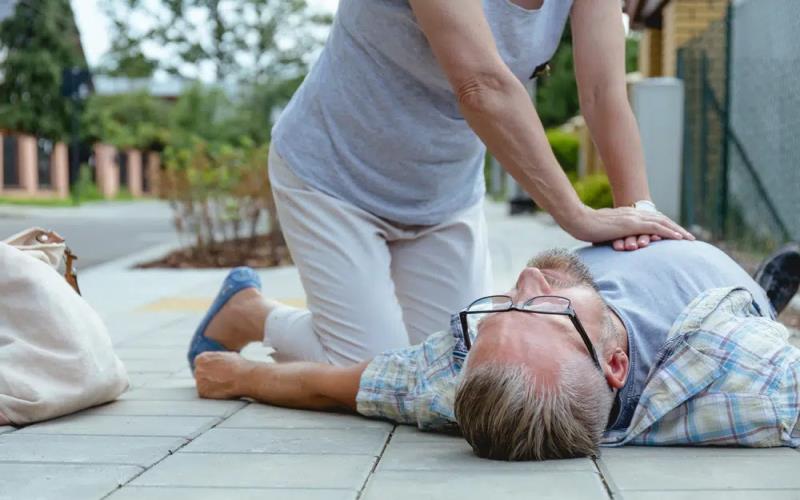
Emergencies can happen anytime, and knowing how to respond effectively can make a difference in protecting someone’s health and safety. Whether it’s a minor injury or a life-threatening situation, providing immediate first aid can prevent the condition from worsening before medical professionals arrive. Acting quickly and confidently allows responders to help stabilize the injured person and reduce complications. First aid is not just about treating wounds—it also involves assessing the situation, ensuring safety, and offering comfort to those in distress. We will explore the steps to take in a first aid situation, including evaluating the environment, administering care, and knowing when to call for emergency assistance. Preparing for medical emergencies helps create a safer environment at home, in the workplace, and in public spaces, ensuring that individuals receive the care they need as soon as possible.
Steps to take in a first aid situation
-
Assessing the Situation and Ensuring Safety
Before providing first aid, evaluating the situation is essential to ensure that the responder and the injured person are safe. Rushing into a situation without assessing potential dangers could lead to additional injuries. If the emergency occurs in a hazardous location, such as a busy road, near a fire, or in an area with exposed electrical wires, moving to a safer position is the priority. In some cases, it may be necessary to move the injured person only if their current location puts them in further danger.
Once the area is secure, observing the injured person’s condition helps determine the type of assistance needed. Checking for responsiveness, breathing, and any visible injuries provides a clearer picture of what actions to take next. If the person is unconscious but breathing, placing them in recovery can help maintain an open airway. If they are not breathing, performing cardiopulmonary resuscitation (CPR) immediately increases the chances of survival. Assessing the situation carefully allows for a more effective response while reducing unnecessary risks.
-
Calling for Emergency Assistance
In many first-aid situations, seeking professional medical help is necessary. Knowing when to call emergency services ensures that the injured person receives the proper care as soon as possible. If someone is unconscious, having difficulty breathing, bleeding heavily, or experiencing chest pain, contacting emergency responders should be the first step. When making the call, providing clear and accurate information helps medical personnel prepare before arriving at the scene.
When calling for assistance, it is important to state the location of the emergency, describe the condition of the injured person, and follow the dispatcher’s instructions. Some emergencies require specific guidance, such as performing CPR until medical personnel arrive or applying pressure to a wound to control bleeding. If others are present, assigning someone to make the emergency call while another person provides care can save valuable time. Understanding when and how to call for help ensures that life-threatening situations receive immediate attention from trained professionals.
-
Providing Basic First Aid Care
Once the situation has been assessed and emergency help has been requested, applying first aid techniques can prevent the injury from worsening. Stoping excessive bleeding by applying direct pressure with a clean cloth or bandage is necessary for wounds. Elevating the injured area when possible can also help slow bleeding. For burns, cooling the affected area with lukewarm water for several minutes reduces further skin damage and provides relief.
If a person is choking, performing the Heimlich maneuver can help remove the obstruction from the airway. If they lose consciousness, starting CPR may be required to restore breathing. Immobilizing the affected limb with a splint or support prevents additional injury in fractures or sprains. Offering reassurance and keeping the injured person calm is also essential to first aid. Fear and anxiety can worsen symptoms, so speaking in a calm voice and explaining each step of care can provide comfort while waiting for medical assistance.
-
Monitoring the Injured Person Until Help Arrives
After administering first aid, monitoring the injured person is essential, as conditions can change rapidly. Watching for signs of shock, such as pale skin, confusion, or shallow breathing, can help determine whether additional care is needed. If the person becomes unresponsive or their condition worsens, adjusting the first aid approach or performing CPR may be necessary.
If you’re ready to gain the confidence and skills needed to respond in emergencies, enrolling in a first aid course near me is a practical first step—especially for those in the Scarborough area. These courses offer hands-on training in CPR, wound care, and emergency response, equipping you with the knowledge to act quickly and correctly in real-life situations. Local training options make it convenient to prepare for the unexpected and ensure you’re ready to protect yourself and others when it matters most.
Keeping the injured person warm, especially in severe bleeding or trauma cases, can help prevent shock. If the person is conscious, offering small sips of water may be appropriate unless they have suffered a head injury or are experiencing nausea. Staying with the injured person until medical help arrives ensures they are not left alone in distress. Providing ongoing reassurance, checking vital signs, and being prepared to update emergency responders on the situation contribute to a smooth transition from first aid to professional medical care.
Responding to a first aid situation requires a calm and thoughtful approach, starting with assessing safety, calling for emergency help when necessary, and providing basic care. Knowing how to control bleeding, perform CPR, assist choking victims, and stabilize injuries can make a significant impact in emergencies. Remaining attentive and comforting ensures the injured person is not left feeling helpless or alone. First aid is a valuable skill that enhances safety and allows individuals to step in when medical emergencies arise. Preparing and knowing what to do in a crisis can help prevent further harm, increase survival rates, and contribute to a healthier and safer community. Understanding the principles of first aid and taking action when needed ensures that those in distress receive the immediate care they require.