
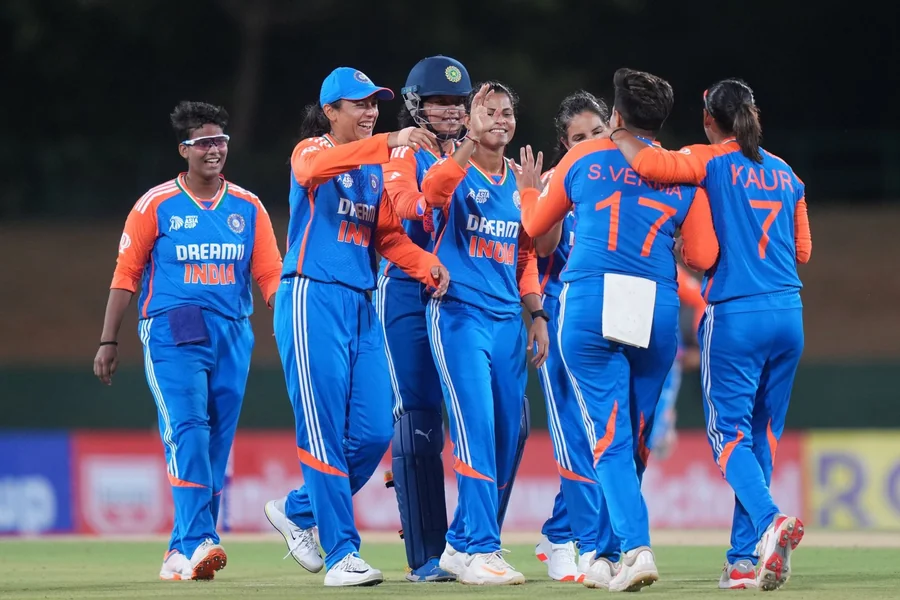
Cricket, a sport that originated in England, has become much more than just a game in South Asia. For millions of people across India, Pakistan, Bangladesh, Sri Lanka, and Nepal, cricket is an integral part of their culture, identity, and daily life. It has evolved from a simple recreational activity to a symbol of national pride, unity, and passion. The significance of cricket in South Asia goes beyond the boundaries of the sport itself and touches the social, political, and economic aspects of the region fortnite quotes.
The Historical Roots of Cricket in South Asia
Cricket was introduced to South Asia during British colonial rule, with the first official cricket match in India taking place in 1721. Over the centuries, the sport grew in popularity and evolved into a competitive and professional sport. By the early 20th century, South Asia began producing talented cricketers who would go on to represent their countries on the global stage.
The first cricket club in India, the Calcutta Cricket Club, was established in the early 19th century, and by the time India gained independence in 1947, cricket had become a major part of the Indian cultural fabric. Similarly, Pakistan, which was formed in 1947, embraced cricket as a means to build national identity, as did other countries like Sri Lanka and Bangladesh after their independence dislyte.
Cricket as a National Identity
In South Asia, cricket is not just a sport but a way to express national pride. For many, the game is a powerful unifying force that brings together people from all walks of life. National cricket teams are seen as representatives of the nation itself, and victories in international cricket tournaments like the ICC World Cup are celebrated as national achievements.
For example, the 1983 Cricket World Cup win by India is still remembered as a historic moment in the country’s sporting history. The victory united the nation, which had just begun to emerge as a major power in the post-independence era. Similarly, Pakistan’s 1992 World Cup win was not just a sporting achievement but also a source of immense national pride, reflecting the country’s journey from its inception to its global recognition.
Cricket and Political Significance
Cricket in South Asia also holds political significance, often transcending the boundaries of sport to become a tool of diplomacy, protest, and even conflict. The India-Pakistan cricket rivalry, one of the most intense in the sport, is a prime example of how cricket can reflect the political tensions between two nations. Matches between India and Pakistan are not just about cricket—they are about national pride and the political issues that divide the two countries.
Over the years, cricket has been used for diplomatic purposes, with cricketing tours serving as opportunities for countries to engage in dialogue or to showcase solidarity. For instance, during periods of peace between India and Pakistan, cricket tours have played a significant role in bridging gaps and fostering goodwill. However, during times of tension, these matches can also fuel animosities and become symbolic of the political divide.
Cricket as a Social Connector
Cricket is deeply woven into the social fabric of South Asia, and it is a part of everyday life for many people. In towns and villages, cricket matches are played in narrow streets, open fields, and even on rooftops. It is a game that brings communities together, where young and old, rich and poor, play side by side. It is a sport that requires minimal equipment—often just a bat and a ball—making it accessible to people from all economic backgrounds.
The sport is also a significant social event. Major cricket tournaments, especially those involving the national teams, are followed with intense enthusiasm. People gather in homes, street corners, and local cafes to watch games, often engaging in heated discussions and debates. Cricket matches serve as social gatherings, where relationships are built and strengthened through shared passions Dislyte Characters.
Cricket as an Economic Powerhouse
The commercial side of cricket has also played a major role in its significance in South Asia. The sport has transformed into a multi-billion-dollar industry, with sponsorships, broadcasting rights, merchandise, and ticket sales generating enormous amounts of revenue. The Indian Premier League (IPL), a professional Twenty20 cricket league, has become one of the richest and most lucrative cricket leagues in the world, with billions of dollars in television rights, player salaries, and sponsorship deals.
Cricket in South Asia has created numerous jobs, from players and coaches to broadcasters and media professionals. The success of cricketing events has also had a substantial impact on tourism, hospitality, and infrastructure in host cities. The economic influence of the sport is so large that it is often considered a key driver of the economy in certain regions, particularly in India.
The Role of Cricket in Shaping Cultural Identity
In South Asia, cricket influences and reflects cultural norms and values. The game is often seen as a source of inspiration for young people, many of whom aspire to become professional cricketers. Cricket heroes are idolized, and their success stories are celebrated as symbols of hope, determination, and national pride. These athletes, such as Sachin Tendulkar, Muttiah Muralitharan, and Wasim Akram, are not just sports figures but cultural icons who have inspired generations.
Furthermore, the sport has played an important role in gender equality in South Asia. Women’s cricket is slowly gaining recognition, with countries like India and Pakistan producing strong female cricketers. The success of players like Mithali Raj and Sana Mir has contributed to breaking down stereotypes and paving the way for future female athletes in South Asia.
The Future of Cricket in South Asia
As the sport continues to evolve, the passion for cricket in South Asia shows no signs of waning. With the rise of digital platforms, the accessibility of the game has expanded, and new generations are exposed to cricket in different formats, such as T20 leagues and online streaming. Cricket will likely remain a central part of South Asian culture, with growing investments in the sport and increasing interest from fans across the region.
In the future, cricket may see more international collaborations, and the sport’s reach may expand even further, with more countries adopting cricket as a primary sport. As South Asia’s love for the game continues to evolve, cricket will remain more than just a game—it will continue to be a symbol of unity, pride, and cultural identity in the region.
Conclusion
Cricket is far more than just a game in South Asia; it is a source of identity, pride, and unity. The sport’s deep-rooted connection to the culture, politics, and economy of the region ensures that it remains an integral part of South Asian life. Whether played in backyards or on international stages, cricket will continue to be a driving force in the lives of millions, symbolizing the dreams and aspirations of an entire continent.