
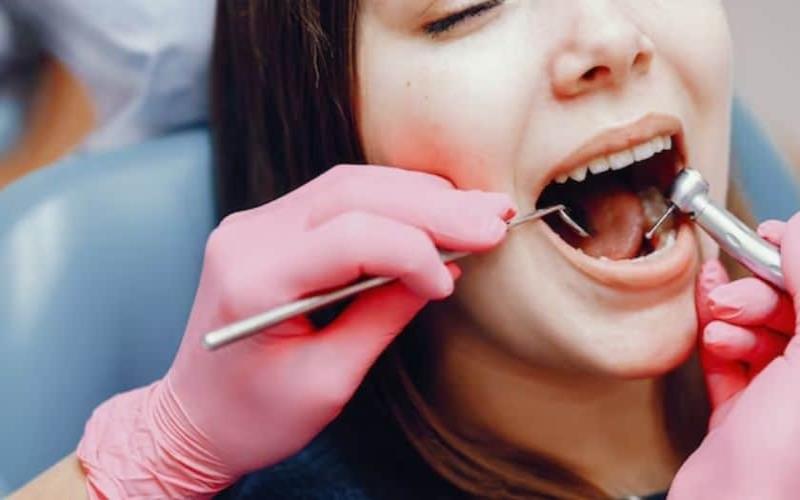
Introduction to Orthodontics
A perfect smile can significantly enhance one’s appearance and is often associated with vitality and confidence. For many with misaligned teeth, seeking the expertise of an Orthodontist offers a path to achieve such a smile. Orthodontists specialize in diagnosing, preventing, and treating dental and facial irregularities. They work to straighten teeth and improve jaw alignment, which can enhance aesthetic appeal and oral health. With advancements in orthodontic technology, treatments have become more refined, ensuring patients experience less discomfort and shorter recovery times.
Besides enhancing cosmetic appeal, orthodontics is vital in promoting better oral health. By correcting misalignment, these treatments help prevent potential oral issues, making them an integral part of comprehensive dental care.
Benefits of Teeth Straightening
Teeth Straightening is not just about cosmetic improvements—it’s a foundation for better oral health. Teeth are correctly aligned to clean and maintain, significantly decreasing the risk of cavities and periodontal diseases. For instance, overlapping teeth or those with gaps can create hard-to-reach pockets where plaque builds up, potentially leading to more severe dental issues. Moreover, a well-aligned set of teeth can profoundly affect one’s confidence and social interactions. A radiant smile boosts self-esteem, empowering individuals personally and professionally.
In the contemporary world, where first impressions often matter, a neat and healthy smile can be a pivotal factor. The psychological impact of achieving a perfect smile can reduce anxiety and improve mental health. Knowing that you have a great smile can make a difference in how you present yourself to others.
Types of Orthodontic Treatments
- Braces: These remain the most common form of orthodontic treatment. Crafted from metal, ceramic, or plastic, braces help reposition teeth by applying continuous pressure, eventually moving them into the correct position. They’re suitable for children and adults alike and are known for their effectiveness despite being visible.
- Invisalign: This modern approach to orthodontics involves using clear, removable aligners explicitly customized for each patient. They’re popular for their invisibility, providing patients a more discreet option than traditional braces.
- Lingual Braces: Lingual braces, akin to conventional braces but placed on the inner surfaces of the teeth, provide a discreet orthodontic treatment alternative. While they present a significant aesthetic benefit, their intricate nature necessitates the expertise of specialized orthodontists for proper installation.
- Retainers: After braces, retainers are often used to hold teeth in their new positions. They may be either fixed or removable and are essential for preserving the outcomes obtained from previous orthodontic procedures.
How Orthodontics Improve Health
Orthodontic treatments offer more than a beautiful smile; they can address various health issues stemming from dental misalignments. For instance, orthodontics can alleviate excessive wear or trauma of the teeth and reduce stress on the gums and the supporting bone. Correct alignment also contributes to better digestion by aiding in the effective breakdown of food. According to WebMD, there are numerous health benefits to having a properly aligned dental structure, including improved breathing and sleep patterns, particularly in patients suffering from sleep apnea.
Moreover, correctly aligned teeth can address speech impediments caused by certain dental issues, leading to clearer and more articulate speech. This improvement is especially noticeable in children and adolescents developing their speech capabilities.
Choosing the Right Treatment
The journey to an ideal smile requires selecting the proper orthodontic treatment. This decision should be made based on thorough consultations with an orthodontic professional who can assess your needs. Factors such as age, the severity of the dental issue, budget constraints, and cosmetic preferences should all be considered. Some might prioritize speed and invisibility, leaning towards options like invisalign, while others may favor the robustness of traditional braces. The key is to ensure that the chosen treatment aligns with one’s dental health objectives and lifestyle.
Maintaining Your Smile After Treatment
- Commit to regular dental check-ups every six months to maintain your orthodontic results and oral health.
- Establish a regular oral hygiene regimen that involves brushing your teeth twice daily, flossing, and utilizing mouthwash to inhibit plaque accumulation.
- Adhere to your orthodontist’s instructions regarding using retainers to preserve your teeth’s newly aligned positions. Neglecting to do so may result in a regression to their previous misalignment, reversing the progress achieved over months or years of treatment.
Frequently Asked Questions
- How long does orthodontic treatment take? The duration largely depends on cases ranging from 12 to 24 months. However, some complex cases extend beyond this period. Regular appointments and adherence to the orthodontist’s instructions help achieve desired results within the expected timeframe.
- Is orthodontic treatment suitable for adults? Absolutely. Adults constitute a significant portion of orthodontic patients today. Advances in treatment options, such as Invisalign, cater specifically to adults seeking discretion and convenience.