
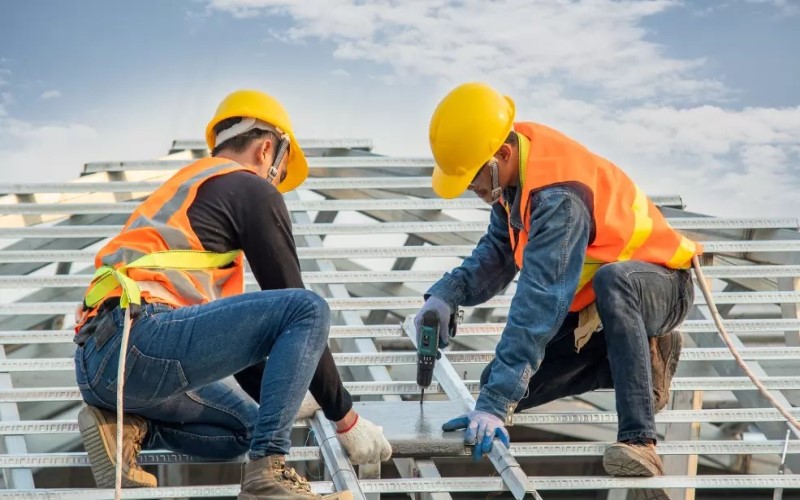
Benefits of Regular Roof Maintenance
Regular roof maintenance is crucial for extending the lifespan of your roof and saving money. Regular inspections can identify minor problems before they escalate into larger issues, preventing costly repairs or replacements. A well-maintained roof protects your home from the elements and enhances energy efficiency. Regular inspections can prevent minor issues from becoming more extensive, such as leaks, and improve energy efficiency by enhancing insulation and enhancing heating and cooling systems’ efficiency. You can check out https://www.deltaservices.com/we-care-roofing-maintenance/ for more detailed guidelines.
Regular maintenance is key to extending the life of your roof and ensuring it remains in top condition. One essential tip is to schedule periodic inspections, especially after severe weather events, to catch any potential issues early. Additionally, keeping your gutters clean and free of debris can prevent water damage and leaks. For those looking to explore more advanced roofing solutions and services, you can discover a range of options that cater to various needs and preferences. By staying proactive and informed, homeowners can protect their investment and maintain the integrity of their roof for years to come.
Regular maintenance is key to extending the life of your roof, and understanding the importance of professional inspections can make a significant difference. Homeowners should consider scheduling routine check-ups to identify potential issues before they escalate. For those seeking expert guidance, it’s beneficial to learn more about company that specializes in comprehensive roof assessments and repairs. By partnering with experienced professionals, you can ensure that your roof remains in optimal condition, safeguarding your home from unexpected damage and costly repairs. Remember, proactive care today can prevent major headaches tomorrow, making it a wise investment for any homeowner.
Seasonal Roof Checklist
- Spring: As winter recedes, it’s critical to check for any damage caused by winter storms. It includes inspecting for loose or missing shingles, cleaning gutters clogged with winter debris and examining for mold or moss growth. These inspections preemptively address issues that worsen over time.
- Summer: During the summer, ensure your roof has proper ventilation as heat can damage the shingles and reduce their lifespan. Summer is also ideal for minor repairs and cleaning off any accumulated debris to keep your roof in optimal condition.
- You should prepare your roof for the next cold winter in the fall. It means clearing leaves from the gutters, thoroughly inspecting shingles for wear and tear and ensuring your roof is ready to withstand storms and heavy snow.
- Winter: The winter season presents unique difficulties. Regularly removing snow buildup can help prevent ice dams which may cause leaks. It’s also crucial to check for any signs of leaks or damage caused by the weight of snow and ice.
Common Roof Problems and How to Fix Them
Roof problems such as leaks, broken or missing shingles, and clogged gutters can be managed early to prevent extensive damage and reduce repair costs. Addressing these issues can save on repair costs. Leaks are often caused by broken or missing shingles which expose the underlying roofing materials to water infiltration. Clogged gutters can cause water backup, rot and structural issues. Regularly inspecting and replacing damaged shingles can prevent leaks and maintain roof integrity.
Why Professional Roof Inspections Matter
Professional roof inspections are crucial for detecting hidden issues and assessing the roof’s overall condition. They can identify wear and tear, structural damage and potential problem areas early allowing for timely repairs. They can also offer maintenance tips tailored to the roof type and local weather conditions, preventing future issues and ensuring the roof remains in optimal condition. Incorporating professional inspections into your annual maintenance routine ensuresptimal roof performance.
Regular inspections are key to maintaining a healthy roof, as they help identify potential issues before they become costly repairs. Homeowners should also consider professional assessments to ensure all aspects of the roof are thoroughly checked. For those looking to delve deeper into expert advice and services, visit the page for comprehensive resources and guidance tailored to your roofing needs. By staying proactive and informed, you can extend the lifespan of your roof and protect your home from unexpected damage. Remember, a well-maintained roof not only enhances your home’s curb appeal but also its overall value.
DIY Roof Maintenance Tips
- Maintain clean gutters to avoid roof damage and water backup. Water can overflow from clogged gutters and soak into your roof, causing rot and mold growth among other structural problems.
- To keep overhanging branches from harming the roof, trim them. Falling branches can cause significant damage to shingles and other roofing materials.
- Inspect and replace missing or damaged shingles promptly. In order to keep your roof waterproof, a brief examination following a storm might assist in identifying shingles that require replacement.
- Use a soft broom to remove debris from the roof’s surface. It can help prevent buildup that could lead to mold or moss growth, damaging the roofing material.
Choosing the Right Roofing Material for Your Home
Choosing a suitable roofing material is crucial for your roof’s longevity and performance. Climate, home style, budget, and personal preferences should be considered. Asphalt shingles are famous for affordability and ease of installation, while metal roofing offers durability and is suitable for harsh weather conditions. Eco-friendly options like recycled shingles, clay tiles, and green roofs are also available.
Sustainable Roofing Options
Eco-friendly roofing materials offer improved insulation and longer lifespan, contributing to a healthier environment. Sustainable options like solar tiles, green roofs, and recycled shingles are popular among homeowners seeking to reduce their environmental footprint. Solar tiles generate electricity, green roofs use vegetation for insulation, and recycled shingles are durable and environmentally responsible. These options are appealing to homeowners who prioritize both environmental and economic benefits.
How Weather Affects Your Roof
Weather conditions significantly impact roof maintenance. High winds can cause leaks, heavy rainfall can worsen leaks, and wind-resistant materials can protect against hurricanes. Winter snow and ice can cause structural damage and water damage. Regular snow removal and proper insulation can help maintain optimal roof conditions. Investing in wind-resistant materials and addressing these risks can help prevent further damage.