
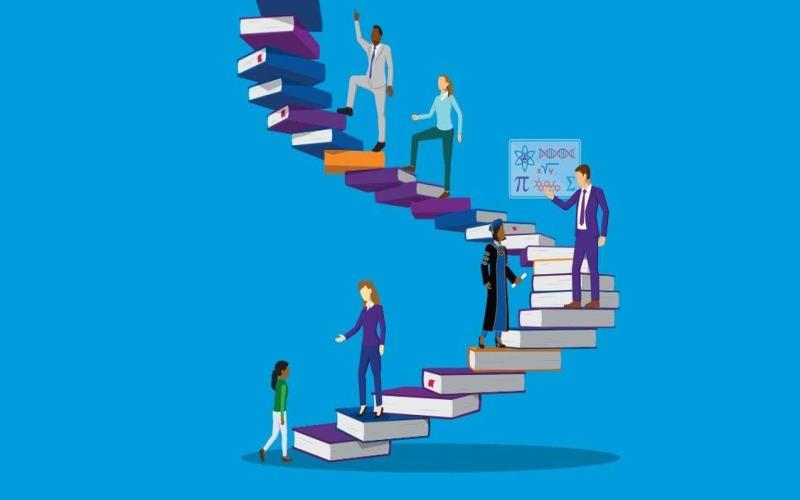
Learning has changed a lot over the years. It used to be that the only way to gain knowledge was to sit in a classroom, listen to a teacher, and memorize facts. But today, the way we learn has evolved dramatically, largely due to advances in technology. From online community college courses to learning at your own pace through apps and videos, the opportunities are endless. This shift in how we acquire knowledge isn’t just about technology—it’s also about the way we approach learning itself.
As technology continues to grow, so does our understanding of what learning truly means. No longer is it about simply absorbing information. Today’s learning is more active, personalized, and collaborative, and it emphasizes skills that can help us navigate an ever-changing world. Let’s dive into the ways learning has changed and how these shifts are shaping the future of education.
Increased Accessibility to Information
One of the most significant changes in learning today is the easy access we have to information. With the internet, almost anything you want to learn is just a click away. Whether you’re trying to understand a tricky math concept or exploring a new hobby, the resources available online are vast and varied.
This easy access to information has made learning more democratic. You no longer need to be enrolled in a traditional school to acquire knowledge. In fact, many people today are turning to online community colleges and other digital platforms to gain new skills and certifications. These online platforms make it possible to learn at your own pace, often with the flexibility to work around other responsibilities. This level of accessibility gives more people the chance to continue their education and explore new career opportunities, no matter where they are or what their schedules look like.
Personalized Learning
Gone are the days when all students had to learn the same material in the same way at the same pace. Today, learning has become more personalized, allowing people to tailor their education to fit their needs and interests. Whether you’re learning a new language or diving into a subject for your career, there are plenty of online courses and resources that let you choose the method that works best for you.
For instance, some people prefer visual learning and benefit from video tutorials, while others might thrive with written materials or interactive online exercises. The growth of online learning platforms has made it easier than ever to pick the path that best suits your learning style. This customization helps students stay engaged, absorb information more effectively, and achieve better results overall.
Active Engagement Over Rote Memorization
Traditional learning often relied on rote memorization—repeating information over and over until it stuck. While this method can be effective for certain types of knowledge, it’s not always the best way to build long-term understanding or critical thinking skills.
Today, the focus has shifted toward active learning. Instead of just memorizing facts, learners are encouraged to apply what they know, solve problems, and engage with the material in more meaningful ways. Active learning could involve working on real-world projects, engaging in discussions with peers, or using technology to experiment with concepts. For example, instead of just reading about business management, an online course might have you work through case studies, simulate business decisions, or collaborate with others to solve business problems.
This shift encourages deeper understanding and the development of critical thinking skills. It also helps learners adapt to new challenges by showing them how to think, not just what to think.
Collaboration and Peer Learning
In the past, learning was often seen as a solitary activity. Students would sit in classrooms, read their textbooks, and complete assignments alone. But today, collaboration is at the heart of many learning experiences. With tools like discussion boards, video calls, and group projects, students are learning from and with each other more than ever before.
Peer learning has its own benefits—it can help reinforce concepts, offer different perspectives, and create a sense of community among learners. Many online courses now incorporate collaborative elements, allowing students to work together on projects, share insights, and even teach each other. This type of collaborative learning is especially important in a globalized world where working with diverse teams is often key to success.
Lifelong Learning
Learning used to be something you did until you finished school and got a job. But today, learning is seen as a lifelong endeavor. With the rapid pace of technological change and shifting job markets, people need to keep learning throughout their careers to stay relevant. This might mean upskilling to keep up with industry trends or learning new skills to pivot into a different career path.
The idea of lifelong learning encourages people to continuously seek knowledge, no matter their age or stage in life. Whether it’s through online courses, workshops, or reading, there’s always something new to learn. And with the growing availability of online resources, lifelong learning has never been easier. For example, someone working in finance might take an online data analytics course to keep up with new software, or someone in healthcare might learn about the latest medical advancements through online webinars.
The Role of Critical Thinking and Adaptability
As the nature of learning changes, so does the way we think about the skills that are most important. In today’s world, it’s not enough to just memorize facts. Instead, critical thinking and adaptability are becoming essential skills for success.
With technology advancing so quickly, it’s important to be able to analyze information, ask questions, and think critically about the world around us. It’s also vital to be able to adapt to new situations, whether that means using new technology at work or switching careers. Critical thinking helps us process the information we encounter every day, while adaptability ensures we can keep up with the changes happening in the world.
These skills aren’t just valuable in school—they’re necessary for navigating today’s complex, fast-moving job market. Online learning platforms often emphasize these abilities by offering problem-solving exercises, group work, and activities that require students to think critically about various scenarios.
Conclusion
The changing nature of learning has made education more accessible, flexible, and engaging than ever before. From online community college courses to personalized learning tools, people now have a variety of ways to acquire knowledge and build new skills. As traditional learning methods evolve into more active, collaborative, and lifelong learning experiences, it’s clear that education is no longer a one-size-fits-all process.
By embracing the changing landscape of learning, we can better prepare ourselves to thrive in an increasingly dynamic world. Whether you’re learning to enhance your career or simply exploring new interests, the possibilities are endless. So take advantage of the opportunities out there, and keep learning—because in today’s world, staying curious is the best way to stay ahead.